_edited.png)
Choosing the Right Energy-Efficient Insulation Choices for Your Attic
- Julian Ford
- May 23
- 4 min read
When it comes to making your home more comfortable and cutting down on those pesky energy bills, upgrading your attic insulation is one of the smartest moves you can make. I’ve been through the process myself, and I can tell you that choosing the right insulation isn’t just about picking the fluffiest stuff. It’s about understanding your options, your home’s needs, and how to get the best bang for your buck. Let’s dive into the world of attic insulation and explore how you can make your home cozier and more energy-efficient.
Why Energy-Efficient Insulation Choices Matter
Think of your attic insulation as a cozy blanket for your home. Without it, heat escapes in the winter and sneaks in during the summer, making your HVAC system work overtime. This not only drives up your energy bills but also makes your living space less comfortable. Choosing the right insulation helps keep your home’s temperature steady, reduces drafts, and lowers your carbon footprint.
In Sarasota’s warm climate, insulation plays a slightly different role than in colder regions. Here, it’s just as important to keep the heat out during the hot months as it is to keep warmth in during the cooler season. That’s why selecting insulation with the right R-value (a measure of thermal resistance) and material type is crucial.
Types of Insulation to Consider
There are several types of insulation materials commonly used in attics, each with its own pros and cons:
Fiberglass Batts: These are the classic pink or yellow rolls you often see. They’re affordable and easy to install but can leave gaps if not fitted properly.
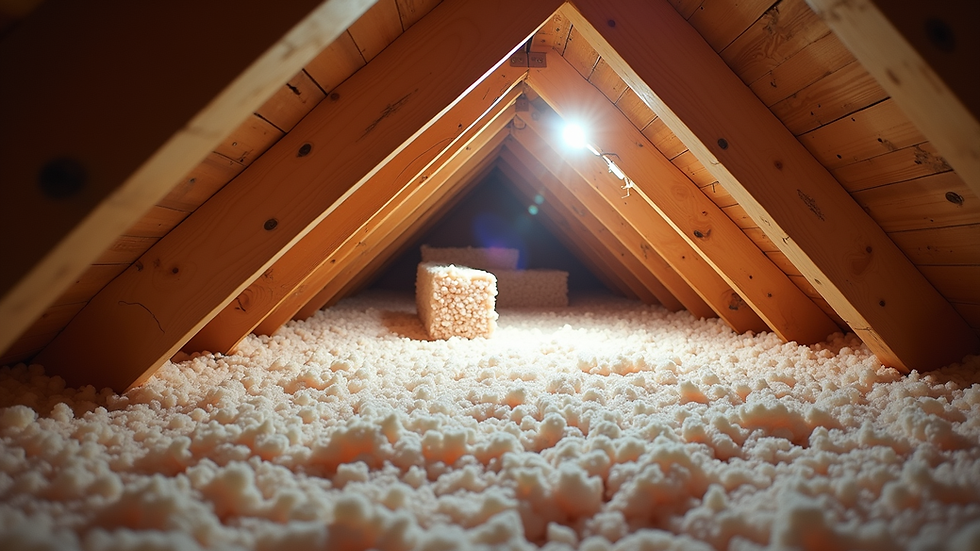
Blown-In Cellulose: Made from recycled paper treated for fire resistance, this material fills gaps well and is great for irregular spaces.
Spray Foam: This expands to fill cracks and crevices, providing excellent air sealing and insulation but comes at a higher price.
Rigid Foam Boards: These are dense panels that offer high insulation value and moisture resistance, often used in combination with other types.
Each option has its place depending on your attic’s structure, your budget, and your energy goals.

Exploring Energy-Efficient Insulation Choices for Your Attic
When I first started looking into attic insulation, I was surprised by how many choices there were. It’s like walking into an ice cream shop with dozens of flavors - you want to pick the one that tastes great and won’t give you a headache later. Here’s what I learned about making smart energy-efficient insulation choices:
R-Value is Key
The R-value tells you how well the insulation resists heat flow. The higher the R-value, the better the insulation. For Sarasota homes, the Department of Energy recommends an R-value between 30 and 60 for attics. This range balances keeping the heat out in summer and retaining warmth in winter.
Air Sealing Matters
Insulation alone isn’t enough if air leaks are sneaking through cracks and gaps. Sealing these leaks with caulk or spray foam before adding insulation can boost your attic’s efficiency dramatically.
Moisture Control
In humid climates like Sarasota, moisture can be a hidden enemy. Choosing insulation that resists moisture or adding vapor barriers can prevent mold and damage.
Eco-Friendly Options
If you’re environmentally conscious, cellulose insulation made from recycled materials is a great choice. It’s also effective and often less expensive than spray foam.
Professional Installation vs. DIY
While some insulation types are DIY-friendly, others like spray foam require professional installation. A pro can ensure the job is done right, maximizing your insulation’s performance.
By focusing on these factors, you can make energy-efficient insulation choices that fit your home’s unique needs.

How much does it cost to insulate a 2000 sq ft attic?
One of the first questions I had was about cost. Insulating a 2000 square foot attic can vary widely depending on the insulation type and installation method. Here’s a rough breakdown:
Fiberglass Batts: $1,500 to $2,500
Blown-In Cellulose: $1,800 to $3,000
Spray Foam: $3,500 to $6,000
Rigid Foam Boards: $2,500 to $4,500
Keep in mind these are ballpark figures and can fluctuate based on labor costs, attic accessibility, and local market rates. While spray foam is pricier upfront, its superior air sealing can lead to bigger energy savings over time.
Also, some utility companies and local governments offer rebates or incentives for upgrading to energy-efficient insulation, which can help offset the initial investment.
Tips for Choosing the Best Insulation for Your Attic
After weighing the options and costs, here are some practical tips I found helpful when choosing attic insulation:
Assess Your Current Insulation
Before adding new insulation, check what you already have. Sometimes, topping off existing insulation is enough.
Consider Your Attic’s Condition
If your attic has moisture issues or poor ventilation, address those first to avoid problems down the road.
Think Long-Term
Investing in higher-quality insulation might cost more now but can save you money and hassle in the future.
Get Multiple Quotes
Don’t settle for the first estimate. Comparing quotes from local professionals can help you find the best deal.
Ask About Warranties
Some insulation materials and installation services come with warranties. This can provide peace of mind.
Look for Local Expertise
Working with contractors familiar with Sarasota’s climate ensures your insulation is suited to local conditions.
By following these tips, you can make a confident choice that improves your home’s comfort and efficiency.
Making Your Attic Work for You
Upgrading your attic insulation is more than just a home improvement project - it’s a way to take control of your energy use and create a more comfortable living space. When I upgraded my attic, I noticed the difference almost immediately. My home stayed cooler in the summer and warmer in the winter, and my energy bills dropped noticeably.
If you want to explore options, consider looking into energy efficient attic insulation to find solutions tailored to your home. Remember, the right insulation choice is a smart investment that pays off in comfort and savings.
By choosing wisely and working with trusted professionals, you can turn your attic into a powerful ally against energy waste. It’s a win-win for your wallet and your home’s comfort.
Ready to make your attic a fortress against heat and cold? Start by evaluating your current insulation and exploring the options that fit your budget and needs. Your home will thank you!
Comments