_edited.png)
Guide to Attic Insulation Cost Estimates and Attic Cost Estimation Tips
- Julian Ford
- May 25
- 4 min read
Upgrading your attic insulation is one of the smartest moves you can make to boost your home's energy efficiency. It keeps your living space cozy in winter and cool in summer, while also trimming down those pesky utility bills. But before diving in, it’s important to understand the costs involved. I’m here to walk you through everything you need to know about attic insulation costs, including some handy attic cost estimation tips to help you plan your budget wisely.
Understanding Attic Cost Estimation Tips
When it comes to estimating attic insulation costs, there are a few key factors to keep in mind. Think of it like planning a road trip - you need to know your route, the stops along the way, and how much gas you’ll need. Similarly, attic insulation costs depend on several variables:
Type of insulation material: Fiberglass, cellulose, spray foam, and more. Each has its own price range.
Size of your attic: Larger spaces require more material and labor.
Current insulation condition: Are you adding on top of existing insulation or starting fresh?
Labor costs: These can vary depending on your location and the complexity of the job.
Additional work: Sealing air leaks or fixing damaged areas can add to the cost.
By considering these factors, you can get a clearer picture of what your project might cost. For example, fiberglass batts are usually cheaper but might not offer the same performance as spray foam, which is pricier but seals better.
Different Types of Attic Insulation and Their Costs
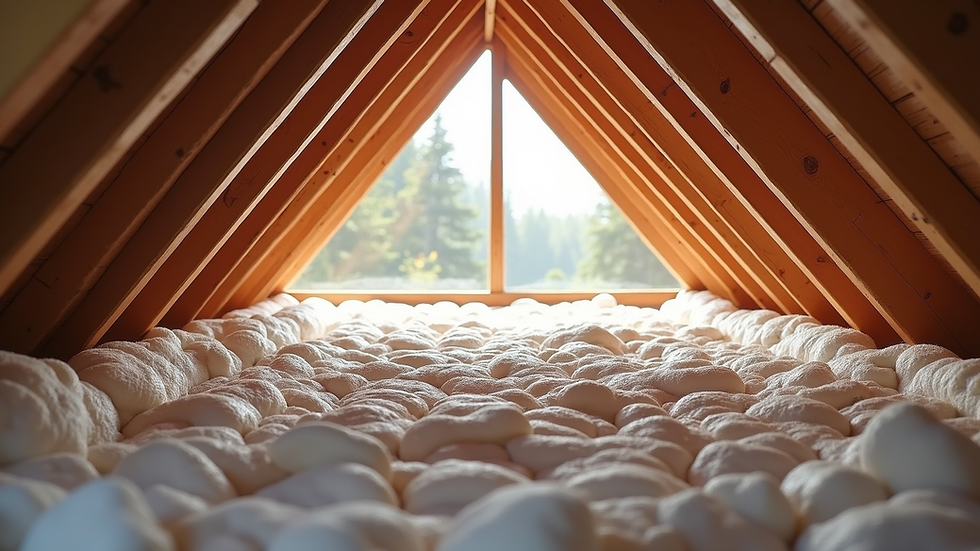
Choosing the right insulation type is crucial, not just for comfort but also for your budget. Here’s a quick breakdown of common attic insulation types and their typical cost ranges per square foot:
Fiberglass Batts
Cost: $0.40 - $1.50
Pros: Affordable, easy to install, widely available
Cons: Can leave gaps if not installed properly, less effective air sealing
Blown-in Cellulose
Cost: $1.00 - $2.00
Pros: Good coverage, eco-friendly (made from recycled paper), better at filling gaps
Cons: Can settle over time, may require professional installation
Spray Foam Insulation
Cost: $1.50 - $3.50
Pros: Excellent air sealing, high R-value per inch, adds structural strength
Cons: Higher upfront cost, requires professional installation
Rigid Foam Boards
Cost: $1.20 - $3.00
Pros: High insulating value, moisture resistant
Cons: Can be tricky to fit in irregular spaces, usually combined with other insulation types
Keep in mind, these prices can fluctuate based on your local market and the size of your attic. Also, labor costs in Sarasota might differ from other regions, so it’s smart to get multiple quotes.
How much is 2000 sq ft of insulation?
Let’s say your attic is about 2000 square feet. How much would it cost to insulate that space? Here’s a rough estimate based on the insulation types we just discussed:
Fiberglass Batts: $800 - $3,000
Blown-in Cellulose: $2,000 - $4,000
Spray Foam: $3,000 - $7,000
Rigid Foam Boards: $2,400 - $6,000
These numbers include both materials and labor. For example, if you choose blown-in cellulose, you might pay around $3,000 for a 2000 sq ft attic. This price covers the cost of the insulation itself plus professional installation.
If you’re on a tight budget, fiberglass batts are a solid choice. But if you want the best energy efficiency and long-term savings, spray foam might be worth the investment.

Factors That Can Affect Your Attic Insulation Cost Estimate
Beyond the type and size, several other factors can influence your final cost:
Accessibility: If your attic is hard to reach or has limited space, installation can take longer and cost more.
Existing insulation removal: Sometimes old insulation needs to be removed before new material goes in, adding to labor costs.
Air sealing and ventilation: Proper sealing of leaks and ensuring good ventilation can improve insulation performance but may increase upfront costs.
Local climate: In Sarasota’s warm climate, insulation that helps keep heat out is especially valuable, which might influence your choice and cost.
Permits and inspections: Some areas require permits for insulation work, which can add fees.
It’s a good idea to ask your contractor about these factors upfront. They can provide a detailed breakdown so you know exactly what you’re paying for.
Tips to Save Money on Your Attic Insulation Project
Upgrading your attic insulation doesn’t have to break the bank. Here are some practical tips to keep costs manageable:
Get multiple quotes: Don’t settle for the first estimate. Comparing offers can help you find the best deal.
Consider DIY for simple jobs: If your attic is easy to access and you’re comfortable with basic tools, installing fiberglass batts yourself can save labor costs.
Look for rebates and incentives: Many local utilities and government programs offer rebates for energy-efficient upgrades.
Combine projects: If you’re planning other home improvements, bundling them with insulation work might reduce overall costs.
Focus on air sealing first: Sometimes sealing leaks can improve comfort and reduce energy bills without a full insulation upgrade.
By planning carefully and asking the right questions, you can get the most value from your investment.
Ready to Get Your Attic Insulation Cost Estimate?
If you’re thinking about upgrading your attic insulation, getting a clear attic insulation cost estimate is the first step. It helps you budget wisely and choose the best materials for your home. Remember, good insulation is like a cozy blanket for your house - it keeps you comfortable and saves money in the long run.
Feel free to reach out to local experts who understand Sarasota’s unique climate and can tailor solutions to your needs. With the right insulation, you’ll enjoy a more comfortable home and lower energy bills all year round.
I hope this guide has made attic insulation costs clearer and easier to understand. Taking the time to plan your project carefully will pay off with a warmer, more energy-efficient home. Happy insulating!

Comments