_edited.png)
Breaking Down the Cost of Attic Insulation: Understanding Attic Insulation Pricing Factors
- Julian Ford
- May 25
- 4 min read
When it comes to making your home more energy-efficient and comfortable, attic insulation is one of the smartest investments you can make. But before you jump in, it’s important to understand the cost of attic insulation and what influences it. I’m here to break down the attic insulation pricing factors so you can make an informed decision without any surprises.
Attic insulation isn’t just about throwing some fluffy material up there. It’s a strategic upgrade that can save you money on utility bills and keep your home cozy year-round. Let’s dive into what affects the price and how you can get the best value for your money.
What Are the Main Attic Insulation Pricing Factors?
The cost of insulating your attic depends on several key factors. Think of it like ordering a custom sandwich - the price changes depending on what you add and how much you want. Here’s what you need to consider:
Type of Insulation Material: Different materials come with different price tags. Fiberglass, cellulose, spray foam, and rigid foam boards all vary in cost and performance.
Attic Size and Accessibility: The bigger your attic, the more material and labor you’ll need. If your attic is hard to reach or has obstacles, installation can take longer and cost more.
Current Insulation Condition: If you already have some insulation, you might need to remove or add to it, which affects the price.
Labor Costs: Skilled labor is essential for proper installation. Labor rates can vary depending on your location and the complexity of the job.
Additional Services: Air sealing, ventilation improvements, and moisture barriers can add to the overall cost but are often worth it for long-term savings.
Understanding these factors helps you see why prices can vary so much. It’s not just about the material but the whole package that makes your attic insulation effective.
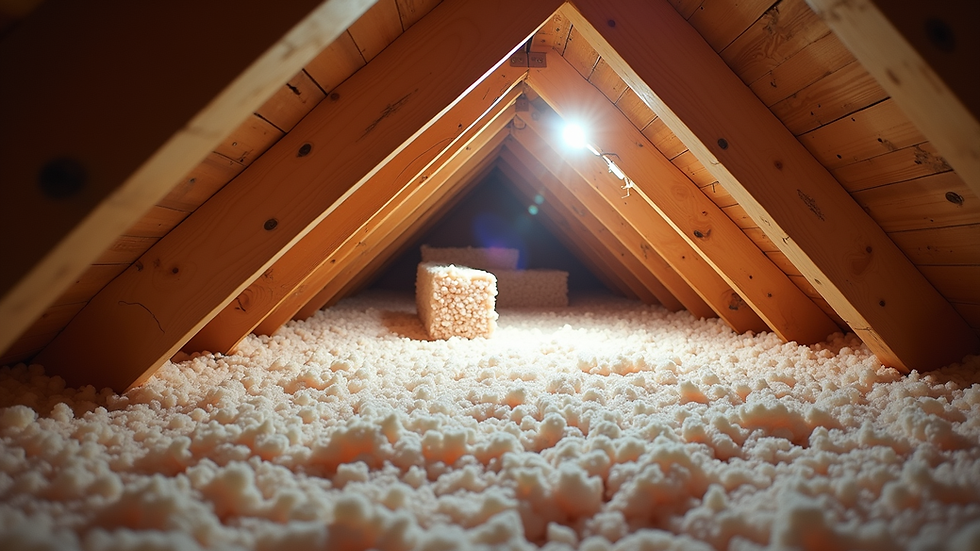
How Much Does It Cost to Insulate a 2000 sq ft Attic?
Let’s get specific. If you have a 2000 square foot attic, what kind of investment are you looking at? Here’s a rough breakdown based on common insulation types:
Fiberglass Batt Insulation: This is one of the most affordable options. Expect to pay between $1,500 and $3,000 for materials and installation.
Blown-In Cellulose Insulation: Slightly more expensive but offers better coverage. Costs range from $2,000 to $3,500.
Spray Foam Insulation: The premium choice for energy efficiency and air sealing. Prices can be $4,000 to $7,000 or more.
Rigid Foam Board Insulation: Usually used in combination with other types, expect $3,000 to $5,000 depending on the setup.
Keep in mind, these are ballpark figures. Your actual cost will depend on the attic’s shape, existing insulation, and any prep work needed. For example, if your attic has uneven surfaces or requires removal of old insulation, expect additional charges.
If you want a quick estimate tailored to your home, you can check the cost to insulate my attic tool for a more personalized quote.
Choosing the Right Insulation Material for Your Budget and Needs
Picking the right insulation material is like choosing the right shoes for a hike - you want comfort, durability, and the right fit for the terrain. Here’s a quick guide to help you decide:
Fiberglass: Affordable and widely available. It’s good for DIY projects but can lose effectiveness if compressed or wet.
Cellulose: Made from recycled paper, it’s eco-friendly and fills gaps well. It’s denser than fiberglass, offering better insulation.
Spray Foam: Expensive but excellent for sealing air leaks and providing high R-values (insulation effectiveness). It’s great for irregular spaces.
Rigid Foam Boards: Often used to insulate attic hatches or walls. They provide a solid barrier but can be pricey.
Each material has pros and cons, so think about your budget, attic condition, and long-term goals. Sometimes spending a bit more upfront saves you money on energy bills down the road.

Tips to Save Money on Attic Insulation Without Sacrificing Quality
I get it - everyone loves a good deal. Here are some practical tips to keep your attic insulation project budget-friendly:
Get Multiple Quotes: Don’t settle for the first estimate. Comparing quotes helps you find the best price and service.
Consider DIY for Simple Jobs: If your attic is easy to access and you’re comfortable with tools, installing fiberglass batts yourself can save labor costs.
Look for Rebates and Incentives: Many local utilities and government programs offer rebates for energy-efficient upgrades.
Combine Air Sealing with Insulation: Sealing leaks before insulating improves efficiency and can reduce the amount of insulation needed.
Plan for the Long Term: Investing in higher-quality insulation might cost more now but pays off with lower energy bills and increased home comfort.
By following these tips, you can stretch your budget without cutting corners on performance.
Why Upgrading Your Attic Insulation Is Worth Every Penny
Think of attic insulation as a cozy blanket for your home. It keeps the heat in during winter and the heat out during summer. This means your HVAC system doesn’t have to work overtime, saving you money on energy bills.
Besides cost savings, good insulation improves indoor comfort by reducing drafts and temperature swings. It also helps protect your home from moisture damage and can even increase your property’s value.
If you’re wondering about the cost to insulate my attic, remember that this is an investment that pays dividends in comfort and savings for years to come.
Upgrading your attic insulation is a smart move that combines energy efficiency with home comfort. With the right information and a clear understanding of attic insulation pricing factors, you’re ready to make the best choice for your home.
If you’re ready to take the next step, consider reaching out to local experts who understand the unique climate and building styles in Sarasota. They can provide tailored advice and ensure your attic insulation project delivers maximum value.

Comments