_edited.png)
Understanding Insulation Tax Benefits: A Guide to Saving on Your Attic Upgrade
- Julian Ford
- Jan 26
- 4 min read
When it comes to making your home more energy-efficient, upgrading your attic insulation is one of the smartest moves you can make. Not only does it help keep your home cozy in winter and cool in summer, but it can also save you a bundle on your energy bills. And here’s the cherry on top: there are tax incentives designed to reward homeowners who invest in better insulation. Today, I’m diving into the world of insulation tax benefits, breaking down what you need to know to make the most of these savings.
Why Insulation Tax Benefits Matter for Your Home
Upgrading your attic insulation isn’t just about comfort—it’s about smart money management. The government offers tax credits to encourage homeowners to improve their home’s energy efficiency. These credits reduce the amount of tax you owe, which means more money stays in your pocket.
Think of it like a reward for doing the right thing for your home and the environment. By adding insulation, you’re reducing the energy your home needs to stay comfortable. This means less strain on power plants and fewer greenhouse gas emissions. Plus, the tax benefits make the upfront cost of insulation upgrades easier to handle.
If you’re in Sarasota or nearby, where the climate can swing from hot summers to mild winters, proper insulation is a game-changer. It keeps your home cooler when the sun is blazing and warmer when the temperature dips. And with the right tax credits, you get financial help to make it happen.

How Insulation Tax Benefits Work
Here’s the deal: tax credits for insulation upgrades are part of a broader effort to promote energy efficiency. When you install qualifying insulation materials, you can claim a credit on your federal tax return. This credit directly reduces your tax bill dollar for dollar.
The key points to remember:
Eligibility: Your insulation must meet certain energy-saving standards.
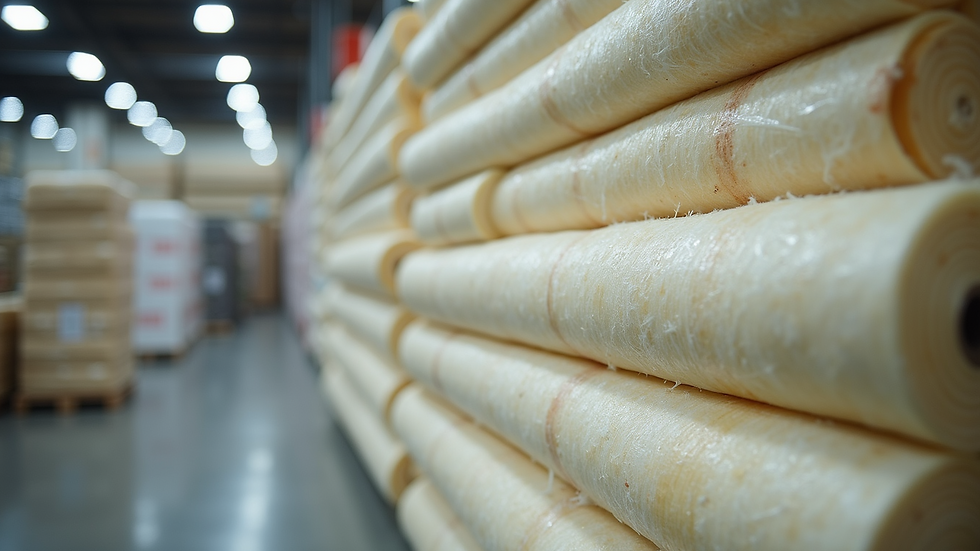
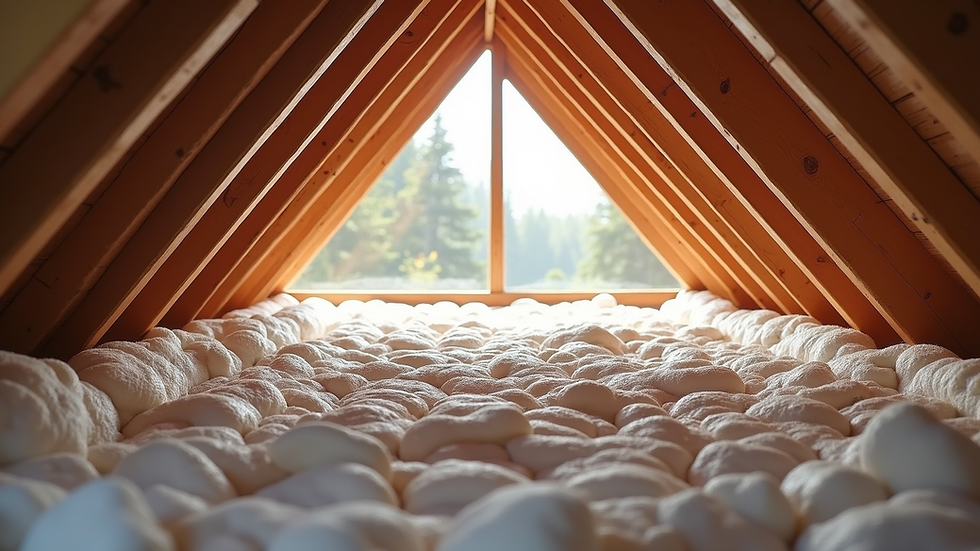
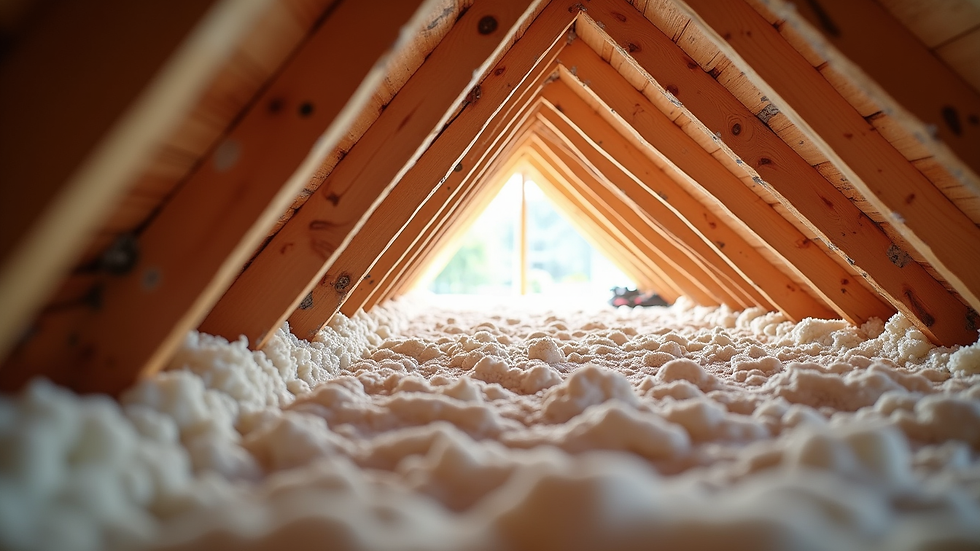
Materials: Common qualifying materials include fiberglass, cellulose, and spray foam.
Documentation: Keep receipts and product labels to prove your purchase.
Limits: There’s a cap on how much credit you can claim, so it’s not unlimited.
For example, if you spend $1,500 on approved insulation, and the credit is 10%, you’d get $150 off your taxes. It’s like getting a discount from the government for making your home more efficient.
What is the $6000 tax credit?
You might have heard about a $6000 tax credit related to home energy improvements. This is part of a broader set of incentives aimed at encouraging homeowners to invest in energy-saving upgrades. The $6000 figure often refers to the maximum credit available for a combination of improvements, including insulation, windows, doors, and HVAC systems.
Here’s how it breaks down:
Total Cap: The $6000 credit is the maximum you can claim for all qualifying improvements combined.
Individual Limits: Different upgrades have their own caps within that total.
Time Frame: These credits apply to improvements made within specific tax years.
Qualified Improvements: Insulation upgrades that meet energy efficiency standards count toward this total.
So, if you install attic insulation and replace your windows, the combined credits for both can add up to $6000, but not more. It’s a great incentive to tackle multiple upgrades at once, maximizing your savings.
How to Maximize Your Savings with the Attic Insulation Tax Credit
If you’re ready to boost your home’s comfort and save money, here’s how to get the most from the attic insulation tax credit:
Choose the Right Insulation: Look for products that meet or exceed the recommended R-value for your region. In Sarasota, a moderate R-value is usually sufficient, but higher is better for long-term savings.
Hire a Professional: Proper installation is key. A professional ensures your insulation is installed correctly, avoiding gaps and compression that reduce effectiveness.
Keep Detailed Records: Save all receipts, product labels, and contractor invoices. You’ll need these when filing your taxes.
Check for Local Incentives: Sometimes, state or local governments offer additional rebates or credits on top of federal ones.
File Correctly: Use IRS Form 5695 to claim your residential energy credits. If you’re unsure, consult a tax professional.
By following these steps, you not only improve your home’s energy efficiency but also make sure you don’t miss out on valuable tax savings.
Beyond Tax Credits: Other Benefits of Upgrading Your Attic Insulation
While tax credits are a fantastic perk, the benefits of upgrading your attic insulation go far beyond just saving on taxes. Here’s what you can expect:
Lower Energy Bills: Better insulation means your heating and cooling systems don’t have to work as hard.
Increased Home Comfort: Say goodbye to cold drafts in winter and hot spots in summer.
Improved Home Value: Energy-efficient homes are more attractive to buyers.
Environmental Impact: Reducing your energy use helps lower your carbon footprint.
Noise Reduction: Insulation also acts as a sound barrier, making your home quieter.
Think of insulation as a long-term investment. The upfront cost might seem significant, but the ongoing savings and comfort improvements pay off year after year.
Taking the Next Step: Making Your Attic Upgrade a Reality
If you’re ready to take advantage of insulation tax benefits and improve your home’s energy efficiency, start by assessing your current attic insulation. You might find it’s time for an upgrade if your insulation is old, thin, or uneven.
Here’s a simple plan to get started:
Schedule an Energy Audit: A professional can evaluate your home’s insulation and recommend improvements.
Get Quotes: Contact local insulation experts to compare prices and services.
Choose Quality Materials: Don’t skimp on insulation quality—better materials mean better savings.
Plan Your Installation: Coordinate with your contractor to schedule the work.
Keep Records: Save all paperwork for your tax credit claim.
By following these steps, you’ll be well on your way to a more comfortable, energy-efficient home with some extra cash back from the government.
Upgrading your attic insulation is a smart move that pays off in comfort, savings, and environmental impact. With the right information and a little planning, you can take full advantage of insulation tax benefits and enjoy a cozier home all year round. Ready to get started? Your attic - and your wallet - will thank you!

Comments