_edited.png)
Understanding Attic Insulation Pricing: A Homeowner’s Guide
- Julian Ford
- Mar 16
- 4 min read
When it comes to making your home more energy-efficient, upgrading your attic insulation is one of the smartest moves you can make. But before diving in, you probably want to know: How much will it cost? Calculating attic insulation costs can feel like trying to solve a puzzle without all the pieces. Don’t worry - I’m here to break it down for you in a simple, friendly way.
Let’s explore the factors that influence attic insulation pricing, what you can expect to pay, and how to get the best value for your investment.
What Influences Attic Insulation Pricing?
Attic insulation pricing isn’t a one-size-fits-all number. Several factors come into play, and understanding these will help you get a clearer picture of your potential costs.
1. Type of Insulation Material
There are different types of insulation materials, each with its own price tag:
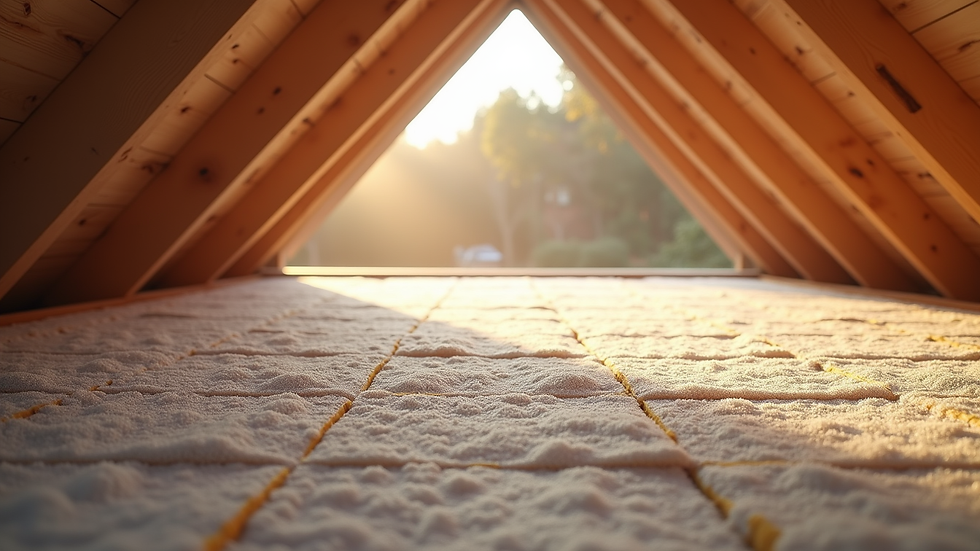
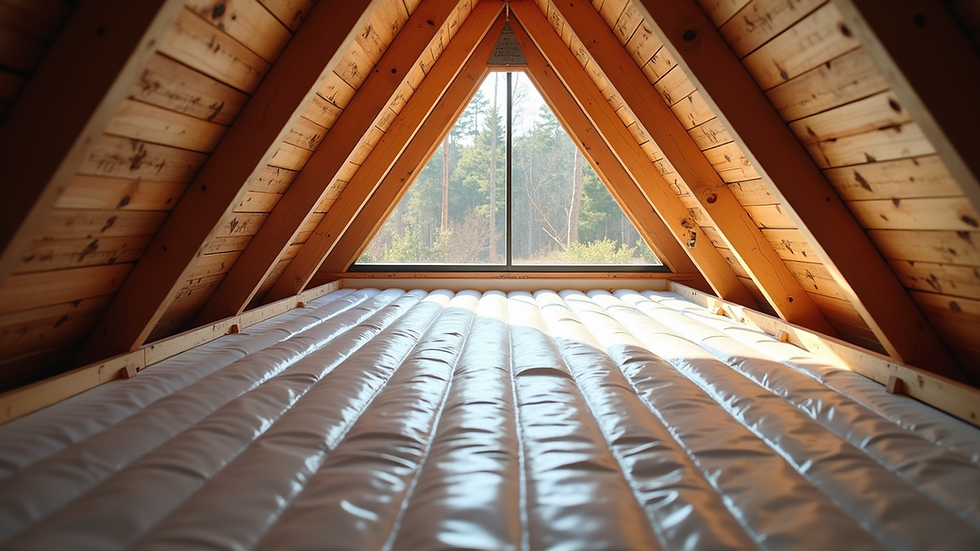
Fiberglass batts: Usually the most affordable option. Easy to install but may not provide the best air sealing.
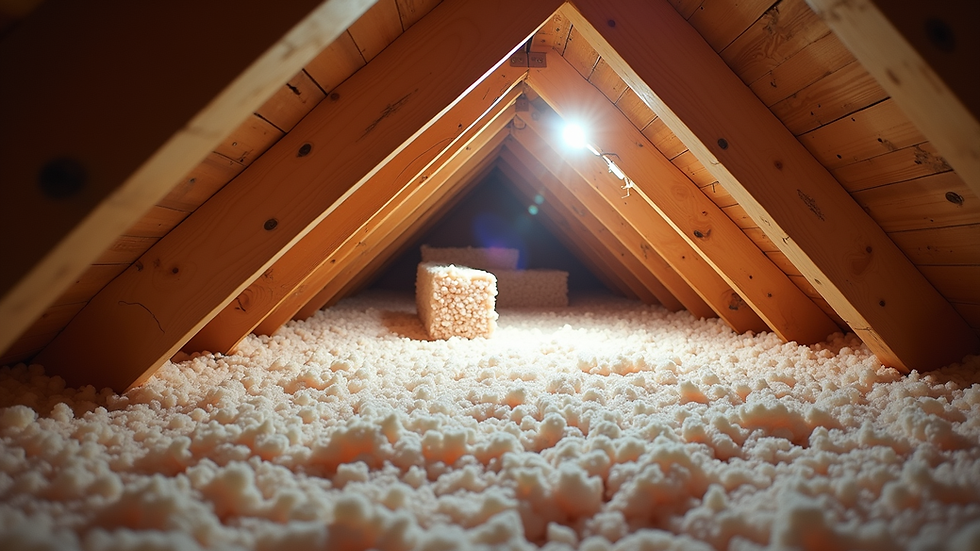
Blown-in cellulose: Made from recycled paper, it’s eco-friendly and fills gaps well. Mid-range price.
Spray foam insulation: Offers excellent air sealing and high R-value but comes at a premium cost.
Mineral wool: Fire-resistant and soundproof, priced similarly to fiberglass.
Choosing the right material depends on your budget and insulation goals.
2. Size of Your Attic
The bigger your attic, the more material and labor you’ll need. Insulation is typically priced per square foot, so a 1,000 sq ft attic will cost less than a 2,000 sq ft attic.
3. Current Insulation Condition
If your attic already has some insulation, you might only need to add more on top. But if the existing insulation is damaged or moldy, removal and replacement will add to the cost.
4. Labor Costs
Labor rates vary by region and company. In Sarasota, you might find competitive pricing, but always ask for a detailed quote to avoid surprises.
5. Additional Factors
Accessibility: Tight or hard-to-reach attics can increase labor time.
Air sealing: Adding air sealing before insulation improves efficiency but adds to the price.
Ventilation improvements: Sometimes necessary to prevent moisture buildup.
Breaking Down Attic Insulation Pricing
Now that you know what affects the cost, let’s look at some ballpark figures to help you budget.
Average Cost Per Square Foot
Fiberglass batt insulation: $0.50 to $1.50 per sq ft
Blown-in cellulose: $1.00 to $2.00 per sq ft
Spray foam insulation: $1.50 to $3.50 per sq ft
Mineral wool: $1.00 to $2.00 per sq ft
Typical Total Costs
For an average attic size of 1,000 to 2,000 sq ft, you might expect:
Fiberglass: $500 - $3,000
Cellulose: $1,000 - $4,000
Spray foam: $1,500 - $7,000
These ranges depend on the factors we discussed earlier.
Why Invest in Quality Insulation?
Think of insulation like a cozy winter coat for your home. The better the coat, the warmer you stay without cranking up the heat. Spending a bit more upfront can save you hundreds on energy bills over time.
If you want a quick attic insulation cost estimate, many local companies offer free consultations to help you understand your specific needs.
How much is 2000 sq ft of insulation?
Let’s get specific. If your attic is around 2,000 square feet, here’s a rough idea of what you might pay based on insulation type:
| Insulation Type | Cost Range for 2,000 sq ft |
|---------------------|------------------------------------|
| Fiberglass batts | $1,000 - $3,000 |
| Blown-in cellulose | $2,000 - $4,000 |
| Spray foam | $3,000 - $7,000 |
| Mineral wool | $2,000 - $4,000 |
Keep in mind, these are estimates. Your actual cost may vary depending on attic accessibility, existing insulation, and labor rates.
Example Scenario
Imagine you have a 2,000 sq ft attic with old fiberglass batts that are compressed and ineffective. You decide to remove the old insulation and install blown-in cellulose. The removal might cost around $500, and the new insulation about $3,000. So, your total investment would be approximately $3,500.
This upfront cost can pay off quickly through lower heating and cooling bills.

Tips to Save Money on Attic Insulation
Upgrading your attic insulation doesn’t have to break the bank. Here are some practical tips to keep costs manageable:
Get multiple quotes - Don’t settle for the first estimate. Comparing prices helps you find the best deal.
Consider DIY for simple jobs - If your attic is easy to access and you’re comfortable, installing fiberglass batts yourself can save labor costs.
Look for rebates and incentives - Many local utilities and government programs offer rebates for energy-efficient upgrades.
Focus on air sealing first - Sealing leaks can improve insulation effectiveness without adding much cost.
Plan for the long term - Investing in higher-quality insulation pays off with energy savings and increased home comfort.
Why Upgrading Your Attic Insulation Makes Sense in Sarasota
Sarasota’s warm climate means your air conditioning works hard during summer. Proper attic insulation helps keep your home cooler by reducing heat gain. In winter, it keeps warmth inside, so your heater doesn’t have to work overtime.
By upgrading your attic insulation, you’re not just saving money on utility bills. You’re also making your home more comfortable year-round. Plus, a well-insulated attic can increase your home’s value and appeal.
If you want to make a smart investment in your home’s energy efficiency, attic insulation is a great place to start.
Taking the Next Step
Now that you have a clearer understanding of attic insulation pricing and what affects costs, you’re better equipped to make an informed decision. Whether you choose fiberglass, cellulose, spray foam, or mineral wool, the key is to balance cost with performance.
Remember, a good insulation job is an investment that pays dividends in comfort and savings. If you want a personalized attic insulation cost estimate, reach out to local experts who can assess your attic and provide tailored recommendations.
Your home deserves the best protection against heat and cold. Upgrading your attic insulation is a simple step that can make a big difference.
I hope this guide helps you feel confident about tackling your attic insulation project. Here’s to a cozier, more energy-efficient home!

Comments