When it comes to keeping your home comfortable and energy-efficient, the attic often gets overlooked. Yet, it plays a crucial role in maintaining the overall health of your house. One of the key factors in attic health is proper ventilation. Without it, you could face higher energy bills, moisture problems, and even damage to your roof. That’s why regular attic ventilation checks are so important.
Let’s dive into why these checks matter, how you can tell if your attic is venting properly, and what you can do to keep your home in top shape.
Why Attic Ventilation Checks Matter
Think of your attic like the lungs of your home. Just as your lungs need to breathe to keep you healthy, your attic needs to breathe to keep your house healthy. Proper ventilation helps regulate temperature and moisture levels. Without it, heat and humidity can build up, causing a range of problems.
For example, in hot climates like Sarasota, trapped heat in the attic can make your entire home warmer. This forces your air conditioner to work harder, driving up your energy bills. On the flip side, in cooler months, poor ventilation can lead to moisture buildup. This moisture can cause mold growth, wood rot, and even damage your insulation.
Regular attic ventilation checks help catch these issues early. By inspecting vents, airflow, and insulation, you can prevent costly repairs and keep your home comfortable year-round.
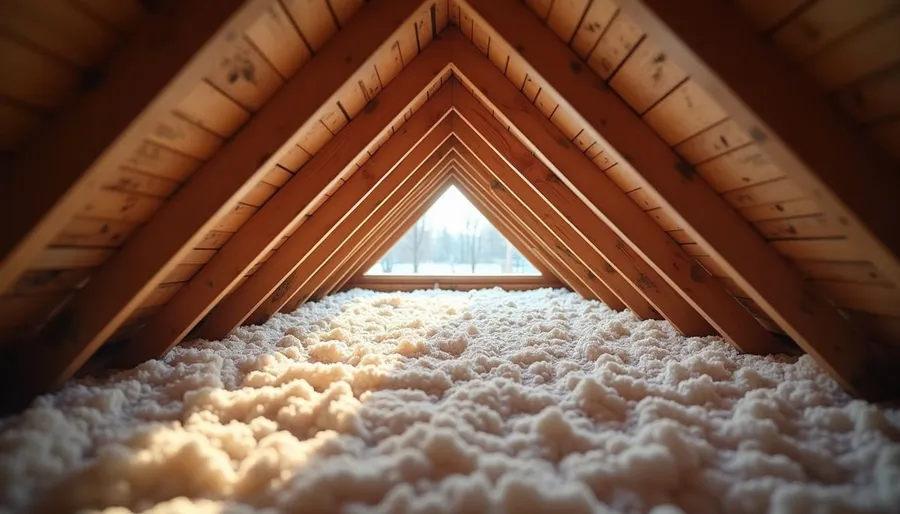
Eye-level view of attic roof vents and insulation
What Happens When Your Attic Isn’t Ventilated Properly?
When your attic lacks proper ventilation, it’s like a car engine overheating without a fan. The heat and moisture get trapped, creating a hostile environment. Here’s what you might face:
- Increased Energy Bills: Heat buildup in the attic makes cooling your home more expensive.
- Moisture Problems: Condensation can lead to mold, mildew, and wood rot.
- Roof Damage: Excess heat can warp shingles and shorten your roof’s lifespan.
- Ice Dams in Winter: Warm air escaping into a cold attic can cause ice dams, leading to leaks.
- Poor Indoor Air Quality: Mold and mildew spores can enter your living space, affecting health.
By scheduling regular attic ventilation checks, you can spot these problems before they escalate. It’s a small step that saves you money and stress in the long run.
How to Check if an Attic Is Venting Properly?
You don’t need to be a professional to do a basic check of your attic’s ventilation. Here are some simple steps you can take:
- Inspect the Vents: Look for soffit vents (under the eaves), ridge vents (along the roof peak), and gable vents. Make sure they’re not blocked by insulation, debris, or pests.
- Check for Moisture: Look for signs of water stains, mold, or damp insulation. These are red flags for poor ventilation.
- Feel the Airflow: On a breezy day, place your hand near the vents to feel if air is moving in and out.
- Look for Heat Buildup: On a hot day, carefully check if the attic feels excessively warm compared to outside.
- Examine Insulation: Ensure insulation isn’t blocking vents. Proper ventilation requires a clear path for air to flow.
If you notice any issues, it’s a good idea to call in a professional for a thorough attic ventilation inspection. They can identify hidden problems and recommend solutions tailored to your home.
Close-up view of attic soffit vent with clear airflow
Practical Tips to Improve Your Attic Ventilation
If your attic ventilation check reveals problems, don’t worry. There are several practical steps you can take to improve airflow and protect your home:
- Add More Vents: Increasing the number of soffit or ridge vents can improve air circulation.
- Install Vent Fans: Powered attic fans help move hot air out quickly, especially in hot climates.
- Keep Vents Clear: Regularly remove debris, insulation, or pests blocking vents.
- Seal Air Leaks: Prevent warm, moist air from your living space entering the attic by sealing gaps around light fixtures, chimneys, and attic hatches.
- Upgrade Insulation: Proper insulation works hand-in-hand with ventilation to keep your attic temperature balanced.
By taking these steps, you’ll not only protect your roof and insulation but also reduce your energy bills and improve indoor comfort.
Why Regular Attic Ventilation Checks Are a Smart Investment
Think of attic ventilation checks like routine oil changes for your car. They might seem small, but they keep everything running smoothly and prevent expensive breakdowns. Scheduling regular inspections helps you:
- Catch Problems Early: Spot issues before they cause major damage.
- Save Money: Lower energy bills and avoid costly repairs.
- Extend Roof Life: Proper ventilation protects shingles and structural components.
- Improve Comfort: Keep your home cooler in summer and drier in winter.
- Protect Your Health: Reduce mold and mildew risks.
If you want to keep your home energy-efficient and comfortable, don’t skip these checks. A professional attic ventilation inspection can give you peace of mind and expert advice tailored to your home’s needs.
Taking care of your attic ventilation is one of the smartest moves you can make for your home. It’s a simple step that pays off in comfort, savings, and long-term protection. So, grab a flashlight, climb up to your attic, and start checking those vents. Your home will thank you!