
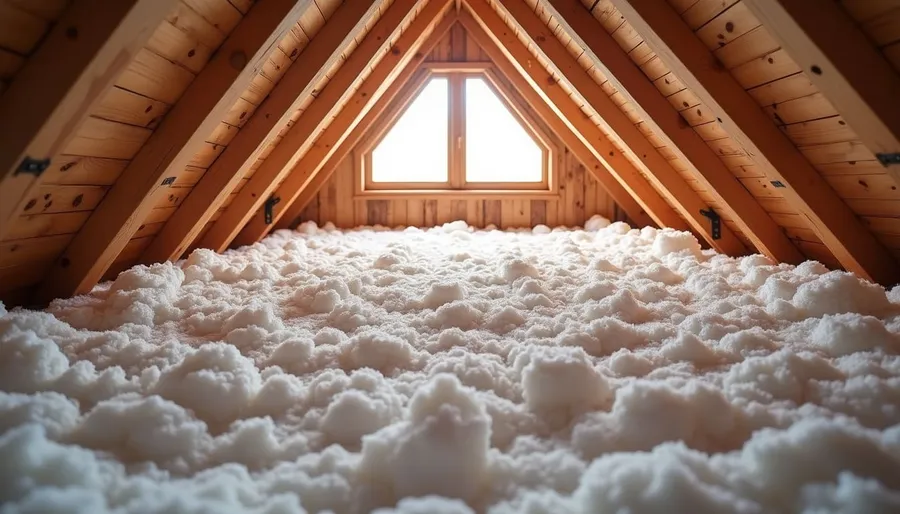
If you’ve ever felt a draft sneaking through your ceiling or noticed your energy bills creeping up, your attic insulation might be the culprit. Insulation plays a huge role in keeping your home comfortable and energy-efficient. But over time, insulation can wear out, get damaged, or simply become outdated. That’s when it’s time to think about attic insulation removal and replacement.
In this guide, I’ll walk you through everything you need to know about replacing attic insulation. From spotting the signs that it’s time for an upgrade to choosing the right materials and tackling the job safely, I’ve got you covered. Let’s dive in and make your home a cozy haven all year round.
Why You Should Follow This Replace Attic Insulation Guide
Replacing attic insulation isn’t just about comfort - it’s about saving money and protecting your home. Old or damaged insulation can let heat escape in winter and sneak in during summer. This means your HVAC system works overtime, and your utility bills skyrocket.
By following this guide, you’ll learn how to:
- Identify when your insulation needs replacing
- Choose the best insulation type for your attic
- Remove old insulation safely and efficiently
- Install new insulation for maximum energy savings
Think of insulation like a warm blanket for your house. If the blanket is thin or full of holes, you’ll feel the chill. Replacing attic insulation is like upgrading to a thick, cozy quilt that keeps the cold out and the warmth in.
Eye-level view of attic space with old insulation being removed
How to Know When It’s Time to Replace Your Attic Insulation
Not sure if your attic insulation needs a refresh? Here are some clear signs to watch for:
- Visible damage or mold: If you see damp spots, mold, or pest droppings, it’s time to act.
- Uneven or compressed insulation: Over time, insulation can settle or get squished, reducing its effectiveness.
- High energy bills: A sudden spike in heating or cooling costs often points to poor insulation.
- Temperature swings: Rooms that are too hot in summer or too cold in winter may mean your attic isn’t doing its job.
- Age of insulation: Most insulation lasts 15-30 years. If yours is older, replacement might be due.
If you notice any of these signs, don’t wait. Proper insulation keeps your home comfortable and your wallet happy.
What is the 7 and 7 Rule for Attics?
The 7 and 7 rule is a handy guideline for attic ventilation and insulation balance. It suggests that for every 7 square feet of attic floor space, you should have 7 square feet of ventilation area. This balance helps prevent moisture buildup and keeps insulation dry and effective.
Why does this matter? Without proper ventilation, moisture can get trapped in your attic, leading to mold growth and insulation damage. The 7 and 7 rule ensures your attic “breathes” properly, extending the life of your insulation and protecting your home’s structure.
When replacing insulation, make sure your attic ventilation meets this rule. It’s a simple step that pays off big in comfort and durability.
Step-by-Step Attic Insulation Removal and Replacement Process
Now for the hands-on part. Here’s how to tackle attic insulation removal and replacement safely and effectively:
1. Prepare Your Space and Gear
- Wear protective clothing: gloves, goggles, a dust mask, and long sleeves.
- Clear the attic of any stored items.
- Seal off vents and openings to prevent dust from spreading.
2. Remove Old Insulation
- Use a shovel or insulation vacuum to scoop out old material.
- Place insulation in heavy-duty trash bags for disposal.
- Check for signs of pests or water damage and address these issues before proceeding.
3. Inspect and Repair
- Look for leaks, damaged roof sheathing, or electrical issues.
- Fix any problems to avoid damaging your new insulation.
4. Choose Your New Insulation
- Fiberglass batts: easy to install, affordable.
- Blown-in cellulose: great for filling gaps and irregular spaces.
- Spray foam: excellent air sealing but more expensive.
5. Install New Insulation
- Follow manufacturer instructions carefully.
- Ensure even coverage without compressing the material.
- Maintain proper ventilation as per the 7 and 7 rule.
6. Clean Up and Final Check
- Remove protective barriers.
- Vacuum any dust or debris.
- Check attic temperature and comfort levels after a few days.
New attic insulation installed with ventilation
Tips for Choosing the Right Insulation for Your Attic
Picking the right insulation can feel overwhelming, but here are some tips to simplify your decision:
- Consider R-value: This measures insulation’s resistance to heat flow. Higher R-values mean better insulation. For Sarasota’s climate, aim for R-30 to R-60 in your attic.
- Think about moisture resistance: Fiberglass and spray foam handle moisture better than cellulose.
- Budget and DIY-friendliness: Fiberglass batts are budget-friendly and easy to install yourself. Blown-in and spray foam usually require professionals.
- Environmental impact: Cellulose is made from recycled paper and is eco-friendly.
Choosing the right insulation means balancing cost, performance, and ease of installation. When in doubt, consult a local expert who understands Sarasota’s climate.
How Upgrading Your Attic Insulation Saves You Money
Upgrading your attic insulation is one of the smartest investments you can make for your home. Here’s why:
- Lower energy bills: Proper insulation reduces heating and cooling costs by up to 20%.
- Longer HVAC lifespan: Your system won’t have to work as hard, meaning fewer repairs and replacements.
- Increased home value: Energy-efficient homes attract buyers and appraisers.
- Improved comfort: Say goodbye to cold spots and hot rooms.
Think of insulation as a money-saving superhero working quietly above your head. The upfront cost pays off quickly in monthly savings and a more comfortable living space.
When to Call in the Pros for Attic Insulation Work
While DIY can work for some, there are times when professional help is the best choice:
- If your attic has water damage or mold
- When dealing with asbestos or hazardous materials
- For spray foam insulation installation
- If you’re unsure about ventilation or electrical safety
Professionals have the tools and experience to handle tricky situations safely and efficiently. Plus, they can help you choose the best insulation for your home’s unique needs.
Replacing your attic insulation is a powerful way to boost your home’s comfort and energy efficiency. By following this replace attic insulation guide, you’ll know exactly when and how to upgrade your attic. Remember, a well-insulated attic is like a cozy hat for your house - it keeps the weather out and the comfort in.
If you want to learn more about attic insulation removal and replacement, don’t hesitate to reach out to local experts who can guide you through the process. Your home deserves the best care, and a well-insulated attic is a great place to start.