_edited.png)
Maximizing Energy Efficiency with Efficient Attic Insulation Solutions
- Julian Ford
- Apr 13
- 4 min read
When it comes to making your home more comfortable and cutting down on energy bills, the attic often gets overlooked. Yet, it’s one of the most important areas to focus on. I’ve learned that upgrading your attic insulation can make a huge difference. It’s like putting a cozy blanket over your entire house, keeping the warmth in during winter and the heat out during summer. Let’s dive into how you can maximize energy efficiency with efficient attic insulation solutions.
Why Efficient Attic Insulation Solutions Matter
Think of your attic as the roof’s secret weapon against energy loss. Without proper insulation, your home is like a leaky bucket, losing precious heat or cool air through the roof. Efficient attic insulation solutions help seal those leaks and create a barrier that keeps your indoor temperature steady.
Here’s why it’s so important:
Lower energy bills: When your attic is well insulated, your heating and cooling systems don’t have to work as hard.
Improved comfort: No more cold drafts in winter or overheated rooms in summer.
Environmental impact: Using less energy means reducing your carbon footprint.
Increased home value: Energy-efficient homes are more attractive to buyers.
I always recommend starting with an attic inspection to identify gaps, cracks, or old insulation that needs replacing. This step ensures you get the most out of your investment.

Choosing the Right Insulation for Your Attic
There are several types of insulation materials to consider, each with its own benefits. Here’s a quick rundown:
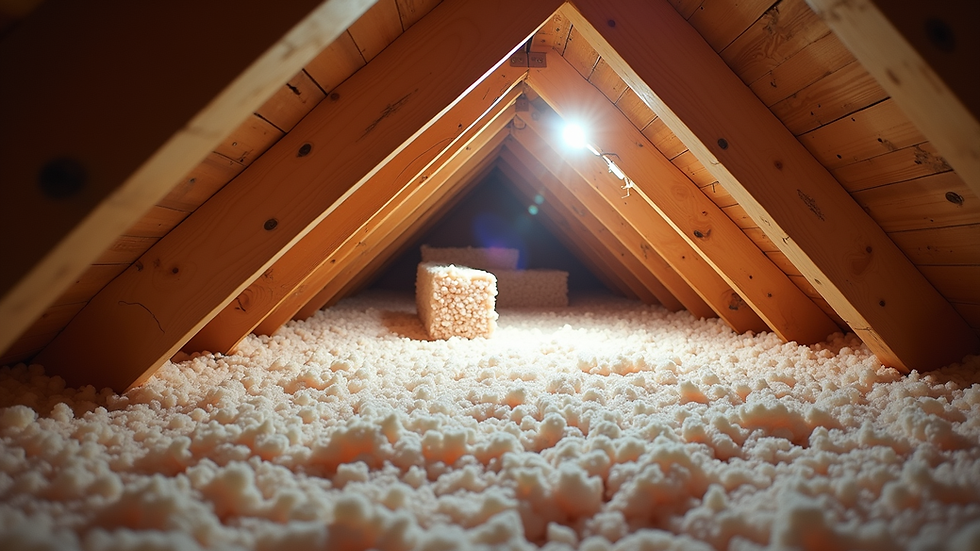
Fiberglass Batts: These are the classic pink or yellow rolls you often see. They’re affordable and easy to install but must fit snugly to be effective.
Blown-in Cellulose: Made from recycled paper, this material fills gaps well and is great for irregular spaces.
Spray Foam: This expands to fill cracks and provides excellent air sealing but tends to be pricier.
Rigid Foam Boards: These are great for adding insulation to attic walls or floors and provide a high R-value per inch.
When selecting insulation, consider your attic’s shape, existing insulation, and budget. For example, if your attic has lots of nooks and crannies, blown-in cellulose or spray foam might be the best fit. On the other hand, if you’re working with a straightforward space, fiberglass batts could do the trick.
Remember, the goal is to create a continuous thermal barrier. Even the best insulation won’t work if there are gaps or compressed areas.
How much does it cost to insulate a 2000 sq ft attic?
One of the first questions I get asked is about cost. For a 2000 square foot attic, the price can vary widely depending on the insulation type and labor costs. Here’s a rough estimate:
Fiberglass Batts: $1,500 - $3,000
Blown-in Cellulose: $1,800 - $3,500
Spray Foam: $3,000 - $6,000
Rigid Foam Boards: $2,500 - $5,000
Keep in mind, these prices include materials and professional installation. DIY can save money but may not deliver the same quality or energy savings.
Investing in quality insulation pays off over time through lower utility bills. Plus, many local programs offer rebates or incentives for upgrading to energy-efficient attic insulation.

Simple Steps to Improve Your Attic’s Energy Efficiency Today
You don’t have to wait for a full renovation to start saving energy. Here are some practical tips you can apply right now:
Seal air leaks: Use caulk or spray foam to close gaps around vents, chimneys, and wiring.
Add insulation: If your attic insulation is thin or patchy, add more to reach recommended R-values.
Ventilate properly: Good airflow prevents moisture buildup, which can damage insulation.
Install attic fans: These help regulate temperature and reduce cooling costs in summer.
Use radiant barriers: Reflective materials can reduce heat gain in hot climates.
By tackling these small projects, you’ll notice a difference in your home’s comfort and energy use.
Why I Recommend Professional Attic Insulation Services
While some homeowners enjoy DIY projects, attic insulation is one area where professional help can make a big difference. Experts have the right tools and knowledge to:
Assess your attic’s unique needs
Choose the best insulation type and thickness
Ensure proper installation without gaps or compression
Handle safety concerns like asbestos or mold
Plus, professional installation often comes with warranties and can qualify you for energy rebates.
If you’re serious about maximizing your home’s energy efficiency, working with a trusted local company is a smart move.
Taking the Next Step Toward a More Comfortable Home
Upgrading your attic insulation is one of the smartest investments you can make. It’s like giving your home a warm hug that lasts all year round. By choosing efficient attic insulation solutions, you’ll save money, reduce your environmental impact, and enjoy a more comfortable living space.
If you want to learn more about how to get started, check out this resource on energy efficient attic insulation for detailed tips and guidelines.
Remember, every home is different, so take the time to evaluate your attic’s condition and needs. Whether you decide to tackle it yourself or hire a pro, the benefits are well worth the effort.
Here’s to a cozier, more energy-smart home!
Comments