_edited.png)
Improving Home Air Quality: A Breath of Fresh Air for Your Living Space
- Julian Ford
- 5 days ago
- 3 min read
We all want our homes to be cozy, safe, and healthy. But did you know that the air inside your home can sometimes be more polluted than the air outside? That’s right. Indoor air quality plays a huge role in how comfortable and healthy you feel every day. Luckily, improving home air quality is easier than you might think. With a few smart changes, you can breathe easier and enjoy a fresher, cleaner home environment.
Why Improving Home Air Quality Matters
Indoor air pollution can come from many sources: dust, pet dander, mold, cleaning products, and even the materials used in your home’s construction. In places like Sarasota, where humidity can be high, mold and mildew can become a real problem if your home isn’t properly ventilated or insulated.
Poor air quality can affect your health, causing headaches, allergies, fatigue, and respiratory issues. It can also make your home feel stuffy and uncomfortable. That’s why focusing on improving home air quality is a smart move. It not only protects your health but also helps your home feel more inviting.
Here are some practical ways to start improving the air you breathe indoors:
Ventilate regularly: Open windows when weather permits to let fresh air in.
Control humidity: Use dehumidifiers or air conditioners to keep moisture in check.
Keep your home clean: Dust and vacuum often to reduce allergens.
Use natural cleaning products: Avoid harsh chemicals that can pollute indoor air.
Upgrade insulation: Proper insulation helps regulate temperature and reduce moisture buildup.

How to Improve Home Air Quality with Simple Upgrades
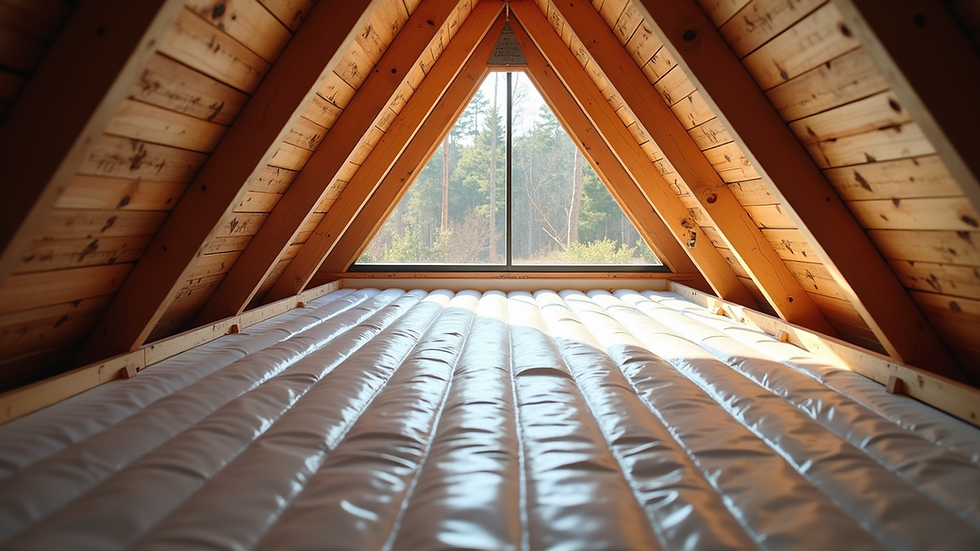
One of the best ways to improve your home's air quality is by focusing on your attic and insulation. A well-insulated attic keeps your home at a comfortable temperature and prevents moisture from seeping in, which can lead to mold growth. This is especially important in Sarasota’s warm and humid climate.
Sealing gaps and cracks around windows, doors, and in the attic can stop outdoor pollutants and allergens from sneaking inside. Plus, it helps your HVAC system work more efficiently, saving you money on energy bills.
Here are some easy upgrades to consider:
Seal air leaks: Use weatherstripping or caulk around doors and windows.
Add attic insulation: This keeps your home cooler in summer and warmer in winter.
Install a quality air filter: Change filters regularly to trap dust and allergens.
Use exhaust fans: In kitchens and bathrooms to remove moisture and odors.
Bring in houseplants: Some plants naturally filter indoor air.
If you want to dive deeper into how to improve home air quality, there are plenty of resources and experts who can guide you through the process.
What Are the Symptoms of Poor Air Quality in Your Home?
Sometimes, it’s hard to tell if your home’s air quality is poor just by looking around. But your body often gives you clues. Here are some common symptoms that might mean your indoor air needs attention:
Frequent headaches or dizziness
Persistent coughing or sneezing
Dry or itchy eyes and throat
Fatigue or difficulty concentrating
Increased allergy or asthma symptoms
Unpleasant odors or musty smells
If you notice these signs, it’s a good idea to check your home for sources of pollution. Mold in damp areas, dust buildup, or poor ventilation could be the culprits. Taking action early can prevent these issues from worsening.

Everyday Habits That Boost Your Indoor Air Quality
Improving air quality isn’t just about big projects. Small daily habits can make a big difference. Here are some easy changes you can start today:
Keep shoes at the door: This stops dirt and pollutants from being tracked inside.
Avoid smoking indoors: Tobacco smoke is a major indoor pollutant.
Use natural air fresheners: Skip synthetic sprays and candles that release chemicals.
Clean air vents and ducts: Dust and debris can accumulate and circulate pollutants.
Limit use of aerosols and harsh chemicals: Opt for eco-friendly products.
By making these habits part of your routine, you’ll create a healthier environment for you and your family.
Making Your Home a Healthier Place to Live
Improving your home’s air quality is a journey, not a one-time fix. It’s about creating a space where you can relax and feel your best. Whether it’s upgrading your attic insulation, sealing leaks, or simply opening a window more often, every step counts.
Remember, a fresh and clean home isn’t just about looks - it’s about how you feel inside. Taking care of your indoor air quality helps you breathe easier, sleep better, and enjoy your home to the fullest.
If you’re ready to take the next step, consider consulting with local experts who understand Sarasota’s unique climate and can help you make smart, energy-efficient upgrades. Your home deserves it, and so do you.
Improving your home’s air quality is one of the best investments you can make for your health and comfort. Start with small changes, and watch how your living space transforms into a fresher, cleaner haven.


Comments