_edited.png)
Home Air Quality Improvement: Improving Your Home's Air Quality Effectively
- Julian Ford
- Apr 7
- 4 min read
When it comes to making your home a healthier and more comfortable place, improving the air you breathe indoors is a game changer. I’ve learned that clean air inside your home isn’t just about comfort—it’s about your well-being. Dust, allergens, and pollutants can sneak in and linger, affecting your health and even your energy bills. Luckily, there are simple, effective ways to boost your home's air quality without breaking the bank or turning your life upside down.
Why Home Air Quality Improvement Matters
You might not see the air, but it’s always there, swirling around you. Poor indoor air quality can cause headaches, allergies, fatigue, and even respiratory issues. Especially in places like Sarasota, where humidity and outdoor allergens can be high, keeping your indoor air fresh is essential.
Think of your home like a fish tank. If the water isn’t clean, the fish won’t thrive. The same goes for your living space. Polluted air can make your home feel stuffy and uncomfortable. Plus, it can increase your energy costs if your HVAC system has to work harder to filter and circulate air.
Improving your home air quality means:
Breathing easier and feeling better every day.
Reducing dust and allergens that settle on your furniture.
Protecting your family from harmful pollutants.
Saving money by making your heating and cooling systems more efficient.
Simple Steps for Home Air Quality Improvement
Improving your home's air quality doesn’t have to be complicated. Here are some practical steps you can take right now:
1. Keep It Clean and Dust-Free
Dust and pet dander are common indoor pollutants. Regular cleaning helps reduce these irritants. Use a vacuum with a HEPA filter and mop floors often. Don’t forget to clean curtains, upholstery, and bedding regularly.
2. Control Humidity Levels
High humidity encourages mold and mildew growth. Use a dehumidifier if your home feels damp, especially in basements or bathrooms. Aim for indoor humidity between 30% and 50%.
3. Ventilate Your Home
Fresh air is your best friend. Open windows when weather permits to let stale air out and fresh air in. Use exhaust fans in kitchens and bathrooms to remove moisture and odors.
4. Avoid Indoor Pollutants
Be mindful of what you bring inside. Avoid smoking indoors, limit the use of harsh cleaning chemicals, and choose low-VOC (volatile organic compounds) paints and products.
5. Upgrade Your HVAC Filters
Your heating and cooling system’s filter plays a big role in air quality. Change filters regularly and consider upgrading to high-efficiency filters that trap smaller particles.

How do I improve my indoor air quality?
If you’re wondering how to improve your indoor air quality, here’s a straightforward approach that works well:
Invest in an Air Purifier: A good air purifier can capture allergens, dust, and even some bacteria. Place it in rooms where you spend the most time.
Seal Air Leaks: Gaps around windows, doors, and in your attic can let in dust and outdoor pollutants. Sealing these leaks improves air quality and energy efficiency.
Maintain Your HVAC System: Schedule regular professional check-ups to keep your system clean and running efficiently.
Add Indoor Plants: Certain houseplants can naturally filter the air. Spider plants, peace lilies, and snake plants are great options.
Limit Carpets and Rugs: These can trap dust and allergens. If you have them, vacuum often and consider replacing old carpets.
By combining these steps, you create a healthier environment that feels fresh and inviting.
The Role of Attic Insulation in Air Quality
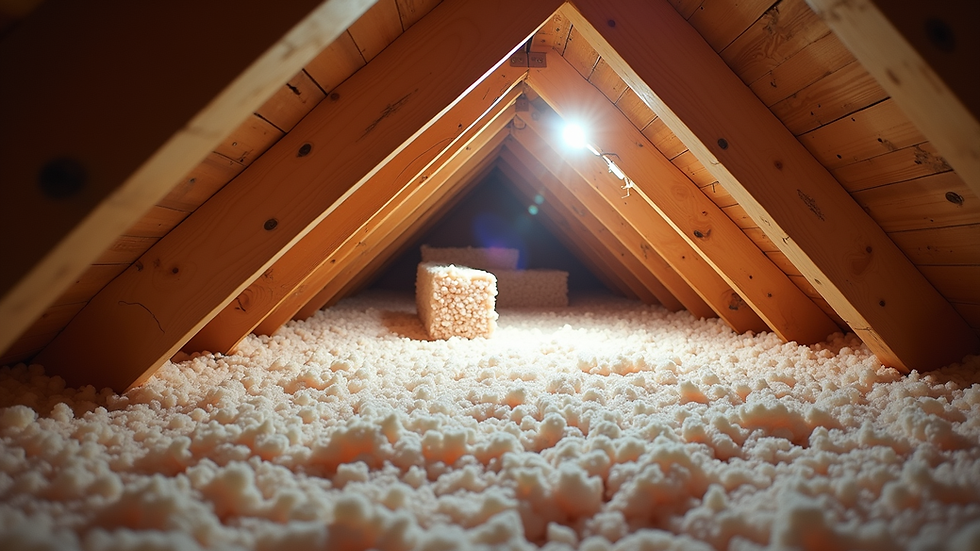
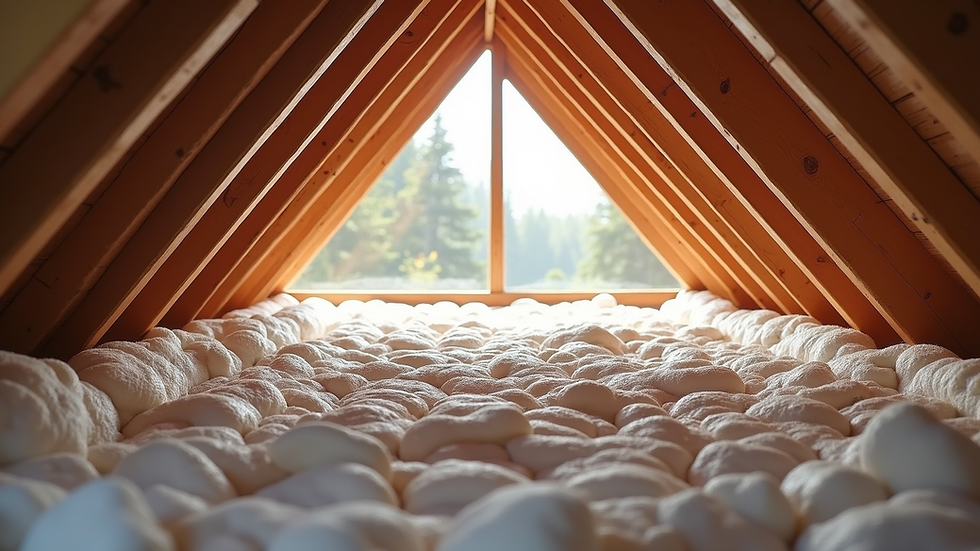
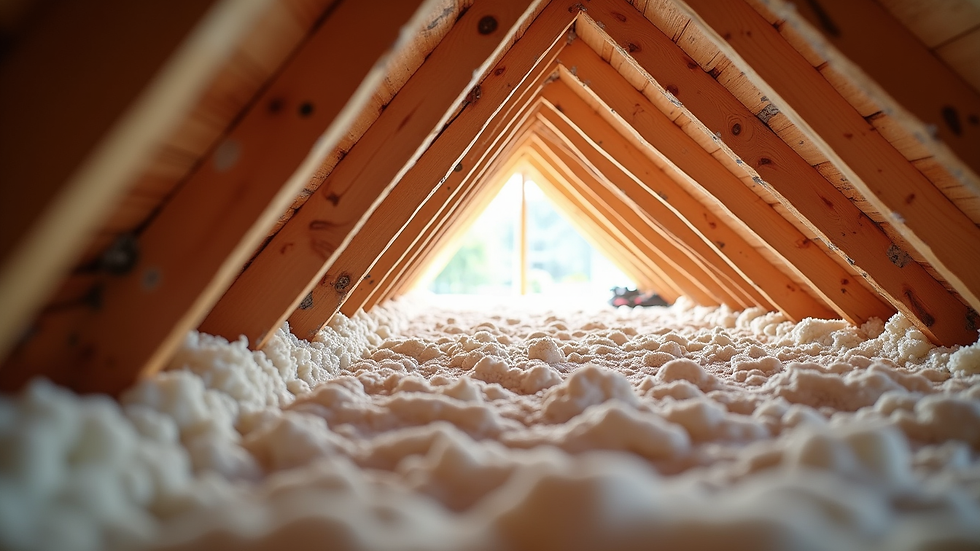
You might not immediately connect attic insulation with air quality, but it plays a crucial role. A well-insulated attic helps regulate temperature and prevents moisture buildup, which can lead to mold growth—a major indoor air pollutant.
In Sarasota’s warm and humid climate, upgrading your attic insulation can:
Reduce the strain on your HVAC system, improving air circulation.
Prevent hot, moist air from entering your living space.
Lower your energy bills by keeping your home cooler in summer and warmer in winter.
If your attic insulation is old or insufficient, it’s worth considering an upgrade. This simple improvement can make a big difference in both comfort and air quality.

Bringing It All Together: Your Action Plan
Improving your home’s air quality is a journey, but it’s one you can start today. Here’s a quick checklist to guide you:
Clean regularly to reduce dust and allergens.
Control humidity with dehumidifiers and ventilation.
Ventilate your home daily when possible.
Avoid indoor pollutants by choosing safe products.
Upgrade HVAC filters and maintain your system.
Seal air leaks to keep outdoor pollutants out.
Consider air purifiers and indoor plants.
Upgrade attic insulation to improve air circulation and energy efficiency.
If you want to dive deeper into how to improve home air quality, there are plenty of resources and experts ready to help.
Taking these steps will not only make your home healthier but also more energy-efficient and comfortable. It’s a win-win for your wallet and your well-being.
Making Your Home a Breath of Fresh Air
Improving your home’s air quality is one of the best investments you can make. It’s about creating a space where you and your family can breathe easy, relax, and thrive. With a few simple changes and some attention to detail, you’ll notice the difference in how your home feels and how you feel inside it.
Remember, clean air is the foundation of a happy home. Start small, stay consistent, and enjoy the fresh, healthy environment you deserve.
Comments