_edited.png)
Guide to Replace Attic Insulation: A Homeowner’s Friendly Walkthrough
- Julian Ford
- Mar 2
- 3 min read
If you’ve ever felt a draft sneaking through your ceiling or noticed your energy bills creeping higher, your attic insulation might be the culprit. Replacing attic insulation is one of the smartest moves you can make to boost your home's comfort and save money. I’m here to guide you through the process with clear, simple steps and helpful tips. Let’s dive in!
Why You Should Replace Attic Insulation
Attic insulation plays a huge role in keeping your home cozy in winter and cool in summer. Over time, insulation can settle, get damaged, or become less effective. When that happens, your HVAC system works overtime, and your energy bills skyrocket.
Here’s why replacing attic insulation is a game-changer:
Improved Energy Efficiency: New insulation keeps heat where it belongs, reducing heating and cooling costs.
Enhanced Comfort: Say goodbye to cold spots in winter and hot rooms in summer.
Increased Home Value: Energy-efficient homes attract buyers and appraisers.
Reduced Environmental Impact: Lower energy use means a smaller carbon footprint.
Replacing attic insulation is like giving your home a warm, cozy blanket that works year-round.

How to Replace Attic Insulation: Step-by-Step
Replacing attic insulation might sound daunting, but breaking it down makes it manageable. Here’s a straightforward plan to get you started:
1. Assess Your Current Insulation
Before you start, check the type and condition of your existing insulation. Look for:
Signs of moisture or mold
Compressed or flattened insulation
Pest damage
Gaps or missing sections
If your insulation looks old, dirty, or damaged, it’s time for a replacement.
2. Gather Your Materials and Tools
You’ll need:
New insulation (fiberglass batts, blown-in cellulose, or spray foam)
Protective gear (gloves, mask, goggles)
Utility knife or insulation blower (depending on type)
Measuring tape
Plastic sheeting or vapor barrier (if required)
3. Remove Old Insulation Safely
This is where many homeowners hesitate. Removing old insulation can be dusty and messy. Wear protective gear and work carefully. Bag the old insulation for disposal.
If you want to learn more about professional attic insulation removal and replacement, check out this helpful resource attic insulation removal and replacement.
4. Prepare the Attic
Before installing new insulation:
Seal any air leaks around vents, pipes, and chimneys.
Check for moisture issues and fix them.
Ensure proper ventilation to prevent future problems.
5. Install the New Insulation
Follow the manufacturer’s instructions for your chosen insulation type. Here are some quick tips:
For batts: Cut to fit snugly between joists without compressing.
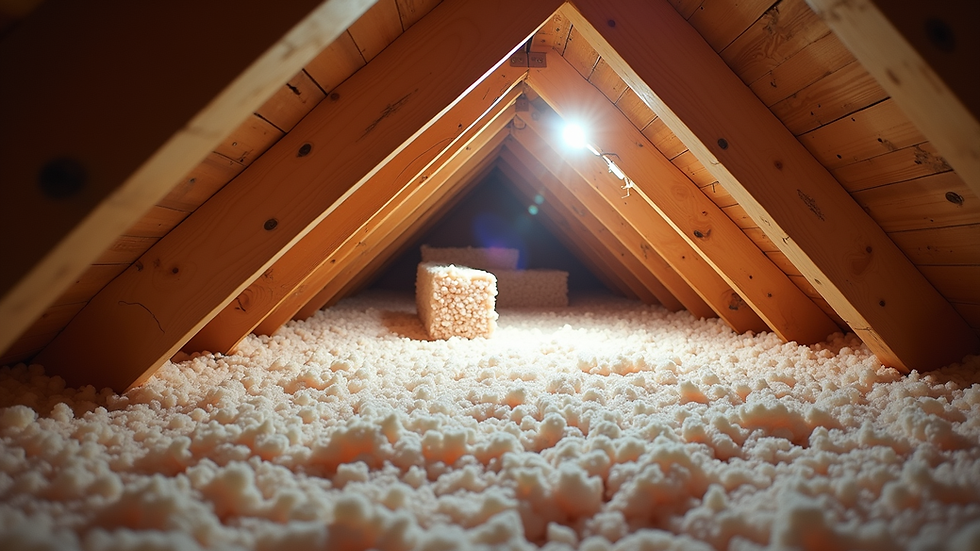
For blown-in: Use a blower to evenly distribute insulation.
For spray foam: Consider hiring a professional for safety and effectiveness.
6. Inspect and Finish Up
Once installed, double-check for gaps or thin spots. Add more insulation if needed. Replace any attic flooring or covers you removed.

Is it Worth Redoing Attic Insulation?
Absolutely! You might wonder if the effort and cost are justified. Here’s why redoing attic insulation pays off:
Energy Savings: Proper insulation can cut heating and cooling costs by up to 20%.
Comfort Boost: Even temperature throughout your home means less reliance on your HVAC.
Long-Term Protection: New insulation helps prevent moisture buildup and structural damage.
Tax Incentives: Some regions offer rebates or tax credits for energy-efficient upgrades.
Think of it like tuning up your car. A small investment now prevents bigger expenses later.
Choosing the Right Insulation for Your Attic
Not all insulation is created equal. Your choice depends on your attic’s layout, budget, and climate. Here’s a quick guide:
Fiberglass Batts: Affordable and easy to install. Great for DIY projects.
Blown-in Cellulose: Excellent for filling gaps and irregular spaces.
Spray Foam: Superior air sealing but more expensive and usually requires a pro.
In Sarasota’s warm climate, insulation with a higher R-value (resistance to heat flow) helps keep your home cool and energy bills low.
Tips for Maintaining Your New Attic Insulation
Once you’ve replaced your attic insulation, keep it in top shape with these tips:
Check your attic annually for moisture or pest issues.
Keep vents clear to maintain airflow.
Avoid storing heavy items on insulation to prevent compression.
Consider adding insulation if you notice settling over time.
Regular maintenance ensures your investment keeps paying off.
Ready to Upgrade Your Attic?
Replacing attic insulation is a smart step toward a more comfortable, energy-efficient home. Whether you tackle it yourself or hire a pro, the benefits are clear: lower bills, better comfort, and peace of mind.
If you want to explore professional options, especially for tricky attic spaces, don’t hesitate to reach out to local experts who understand Sarasota’s unique climate and home styles.
Your home deserves the best insulation upgrade - it’s like wrapping it in a cozy, energy-saving hug!
Feel free to share your own attic insulation stories or questions below. I’m here to help you make your home the best it can be!
Comments