
When I first thought about insulating my attic, I quickly realized it wasn’t just about picking a material and rolling it out. There are several factors that influence the attic insulation cost. Understanding these can help you budget better and avoid surprises. Whether you’re upgrading an old attic or insulating a new one, knowing what drives the price is essential.
Let’s dive into the main attic insulation cost factors and break down what you can expect when planning your project.
What Are the Main Attic Insulation Cost Factors?
The cost to insulate an attic depends on a few key things. Think of it like baking a cake: the ingredients, size of the cake, and how fancy you want it all affect the final price. Here’s what you need to consider:
- Type of insulation material: Fiberglass, spray foam, cellulose, or rigid foam boards all come with different price tags.
- Attic size and accessibility: Larger attics cost more to insulate. If your attic is hard to reach, expect extra labor charges.
- Current insulation condition: Removing old insulation adds to the cost.
- Labor costs: These vary by region and the complexity of the job.
- Additional services: Air sealing, ventilation improvements, or moisture barriers can increase the price but improve overall efficiency.
Each factor plays a role in the final estimate. For example, spray foam is pricier but offers better air sealing, while fiberglass is more budget-friendly but less effective at stopping air leaks.
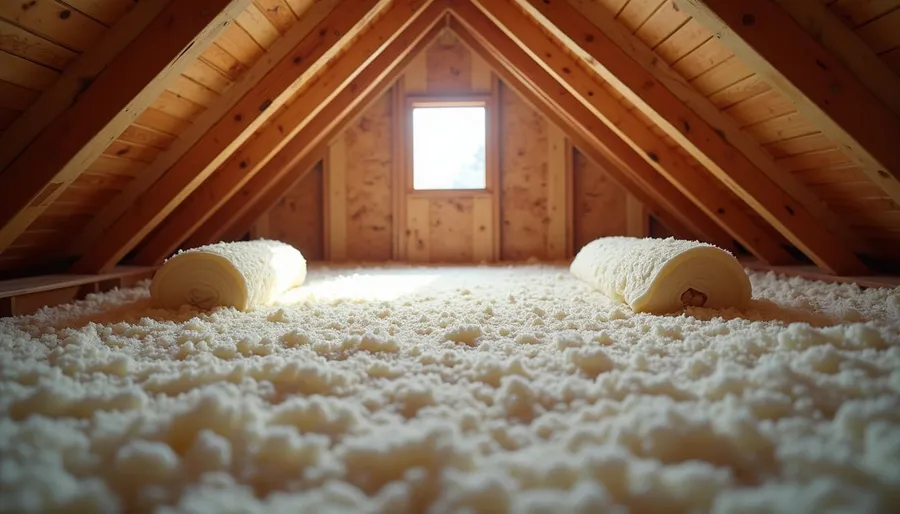
Eye-level view of attic space with insulation materials laid out
How much does it cost to insulate a 2000 sq ft attic?
Let’s get specific. If you have a 2000 square foot attic, what kind of budget should you prepare?
- Fiberglass batt insulation: This is the most common and affordable option. Expect to pay between $1,500 and $3,000 for materials and installation.
- Blown-in cellulose insulation: Slightly more expensive, usually $2,000 to $3,500. It’s great for filling gaps and irregular spaces.
- Spray foam insulation: The premium choice, costing $4,000 to $7,000 or more. It seals air leaks and adds structural strength.
- Rigid foam board insulation: Typically $3,000 to $5,000, often used in combination with other types.
Keep in mind, these are ballpark figures. Your attic’s shape, height, and existing insulation can shift the price. Also, if you need to remove old insulation or fix ventilation, add those costs on top.
Choosing the Right Insulation Material for Your Attic
Picking the right insulation is like choosing the right shoes for a hike. You want comfort, durability, and the right fit for your terrain.
- Fiberglass: Easy to install and budget-friendly. It’s like the reliable sneakers of insulation. However, it can lose effectiveness if compressed or wet.
- Cellulose: Made from recycled paper, it’s eco-friendly and fills gaps well. Think of it as a cozy hiking boot that molds to your foot.
- Spray foam: Offers the best air sealing and insulation value. It’s the high-tech hiking boot with extra ankle support but comes at a higher price.
- Rigid foam boards: Great for adding insulation to attic walls or floors. They’re like sturdy hiking poles that provide extra support.
When deciding, consider your budget, attic layout, and how much energy savings you want. Sometimes combining materials gives the best results.
Close-up view of spray foam insulation being applied in attic
How to Save Money on Attic Insulation Without Sacrificing Quality
I get it - everyone wants to save a few bucks. Here are some tips that helped me keep costs down while still getting great insulation:
- Get multiple quotes: Don’t settle for the first estimate. Comparing prices can save you hundreds.
- Do some prep work yourself: Clearing out the attic or removing old insulation can reduce labor costs.
- Consider DIY for fiberglass batts: If you’re comfortable, installing fiberglass batts yourself can be a big money saver.
- Look for local rebates or incentives: Many energy companies offer discounts for insulation upgrades.
- Focus on air sealing first: Sometimes sealing leaks before adding insulation improves efficiency without a big price tag.
By planning carefully and asking the right questions, you can get the best bang for your buck.
What to Expect When Hiring a Professional for Attic Insulation
Hiring a pro can feel like a big step, but it’s worth it for peace of mind and quality work. Here’s what usually happens:
- Initial inspection: The contractor checks your attic’s size, condition, and ventilation.
- Estimate and recommendations: They’ll suggest the best insulation type and provide a detailed quote.
- Preparation: You might need to clear the attic or remove old insulation.
- Installation: Depending on the material, this can take a few hours to a couple of days.
- Cleanup and final check: The crew cleans up and ensures everything is properly installed.
A good contractor will explain each step and answer your questions. This helps you feel confident about your investment.
If you want to get a clearer idea of the cost to insulate my attic, checking with local experts is a smart move.
Making Your Attic Work for You: Energy Savings and Comfort
Insulating your attic isn’t just about the upfront cost. It’s an investment that pays off in lower energy bills and a more comfortable home. Proper insulation keeps your house warmer in winter and cooler in summer, reducing the strain on your HVAC system.
Think of it like putting on a cozy sweater in winter - it keeps the warmth in and the cold out. Over time, the savings on heating and cooling can cover the insulation cost and then some.
Plus, a well-insulated attic can increase your home’s value and reduce noise from outside.
Insulating your attic is a smart step toward a more energy-efficient and comfortable home. By understanding the attic insulation cost factors and exploring your options, you can make informed decisions that fit your budget and needs. Whether you choose to DIY or hire a pro, the benefits will be clear every time you enjoy a cozy, energy-saving home.