
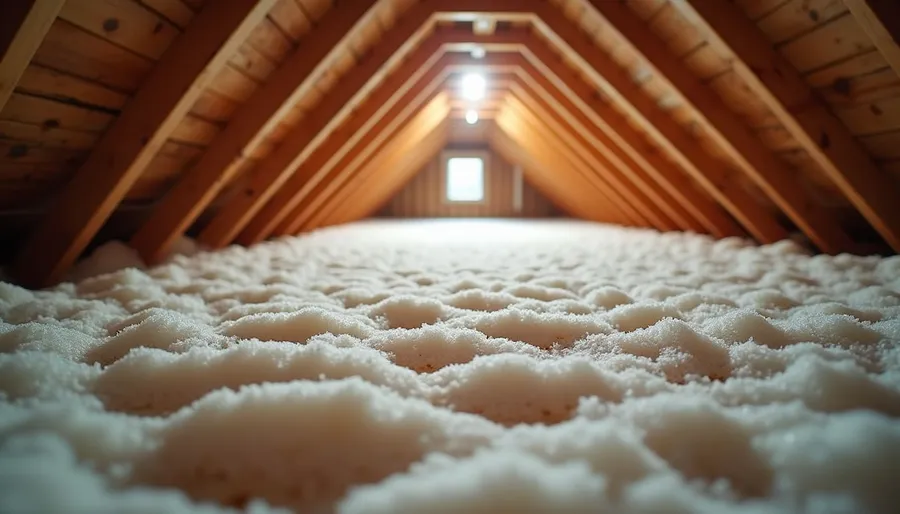
When it comes to making your home more energy-efficient and comfortable, upgrading your attic insulation is one of the smartest moves you can make. But before you dive in, you probably want to know: how much will it cost? Estimating attic insulation pricing can feel like trying to solve a puzzle without all the pieces. Don’t worry - I’m here to break it down for you in a simple, friendly way.
Let’s explore the factors that influence attic insulation costs, what you can expect to pay, and how to get the best value for your investment.
Understanding Attic Insulation Pricing: What Affects the Cost?
Attic insulation pricing isn’t a one-size-fits-all number. Several factors come into play, and knowing these will help you get a clearer picture of what to expect.
1. Type of Insulation Material
There are different types of insulation materials, each with its own price tag:
- Fiberglass batts: Usually the most affordable option. Easy to install but may not be the best for irregular spaces.
- Blown-in cellulose: Made from recycled paper, it fills gaps well and offers good coverage.
- Spray foam insulation: More expensive but provides excellent air sealing and insulation value.
- Rigid foam boards: Often used for specific areas, moderately priced.
The choice depends on your attic’s condition, your budget, and your energy efficiency goals.
2. Size and Accessibility of Your Attic
The bigger your attic, the more material and labor it will require. Also, if your attic is hard to access or has obstacles like ductwork, expect the cost to rise. Think of it like painting a room - a small, empty room is easier and cheaper to paint than a large room filled with furniture.
3. Current Insulation Condition
If your attic already has some insulation, the cost might be lower if you’re just adding more. But if you need to remove old, damaged insulation first, that adds to the price.
4. Labor Costs in Your Area
Labor rates vary by location. In Sarasota and surrounding areas, you might find competitive pricing, but it’s always good to get multiple quotes.
5. Additional Services
Sometimes, you might want to add air sealing, ventilation improvements, or moisture barriers. These extras improve performance but increase the overall cost.
Eye-level view of attic space with insulation materials laid out
How much does it cost to insulate a 2000 sq ft attic?
Let’s get specific. For a typical 2000 square foot attic, here’s a rough breakdown of what you might expect to pay:
- Fiberglass batt insulation: $1,000 to $2,000
- Blown-in cellulose insulation: $1,500 to $3,000
- Spray foam insulation: $3,000 to $6,000
These prices include both materials and labor. Keep in mind, these are ballpark figures. Your actual cost can vary based on the factors we discussed earlier.
For example, if your attic is easy to access and you choose blown-in cellulose, you might be closer to the lower end of the range. But if you want spray foam and your attic has tricky corners, expect to pay more.
How to Calculate Your Attic Insulation Cost
If you want to estimate your own attic insulation pricing, here’s a simple way to do it:
- Measure your attic’s square footage: Length x width.
- Choose your insulation type: Research average cost per square foot for that material.
- Multiply: Square footage x cost per square foot.
- Add labor and extras: Factor in local labor rates and any additional services.
For example, if fiberglass batt costs about $1.00 per square foot installed, a 2000 sq ft attic would be around $2,000.
If you want a quick estimate tailored to your home, you can check out this cost to insulate my attic tool for more personalized info.
Tips to Save Money on Attic Insulation
Upgrading your attic insulation is an investment, but there are ways to keep costs manageable:
- Get multiple quotes: Don’t settle for the first estimate. Compare prices and services.
- Consider DIY for simple jobs: If your attic is easy to access and you’re comfortable, installing fiberglass batts yourself can save labor costs.
- Look for rebates and incentives: Sometimes local utilities or government programs offer rebates for energy-efficient upgrades.
- Bundle services: If you need other home improvements, bundling them with insulation work might get you a discount.
- Focus on air sealing first: Sealing leaks before insulating can improve efficiency without a big price tag.
High angle view of attic insulation being installed by a professional
Why Investing in Attic Insulation is Worth It
You might be wondering if the upfront cost is really worth it. Here’s why I believe it is:
- Lower energy bills: Proper insulation keeps your home warmer in winter and cooler in summer, reducing heating and cooling costs.
- Increased comfort: No more cold drafts or hot spots in your living space.
- Improved home value: Energy efficiency is a big selling point if you ever decide to move.
- Environmental benefits: Using less energy means a smaller carbon footprint.
Think of attic insulation like putting on a cozy sweater for your home. It keeps the temperature just right and saves you money in the long run.
Ready to Upgrade Your Attic?
If you’re thinking about improving your home’s energy efficiency, estimating attic insulation pricing is the first step. With the right information, you can make a smart choice that fits your budget and needs.
Remember, the key is to balance cost with quality and long-term savings. Whether you choose fiberglass, cellulose, or spray foam, upgrading your attic insulation is a win for your wallet and your comfort.
For a personalized estimate and expert advice, don’t hesitate to reach out to local professionals who understand the unique needs of homes in Sarasota and nearby areas. Your home deserves the best care, and a well-insulated attic is a great place to start.