
When it comes to making your home more comfortable and cutting down on those pesky energy bills, upgrading your attic insulation is one of the smartest moves you can make. Think of your attic as the roof’s secret weapon against heat loss in winter and heat gain in summer. Without proper insulation, your HVAC system works overtime, and your wallet feels the pinch. Today, I want to walk you through some of the best energy-saving insulation solutions for your attic. These methods not only keep your home cozy but also help you save money and reduce your environmental footprint.
Why Energy-Saving Insulation Solutions Matter
Imagine your attic as a giant thermos bottle. When it’s well insulated, it keeps the temperature inside steady, no matter what’s happening outside. But if the insulation is old, thin, or missing, your home loses heat in the winter and gains heat in the summer. This means your heating and cooling systems have to work harder, leading to higher energy bills and more wear and tear on your equipment.
Energy-saving insulation solutions help by creating a barrier that slows down heat transfer. This keeps warm air inside during cold months and blocks heat from entering during hot months. The result? A more comfortable home and lower utility bills. Plus, better insulation means less strain on the environment because your home uses less energy.
If you’re looking for ways to improve your home’s energy efficiency, focusing on your attic is a great place to start. And if you want to learn more about energy efficient attic insulation, you’re in the right spot.
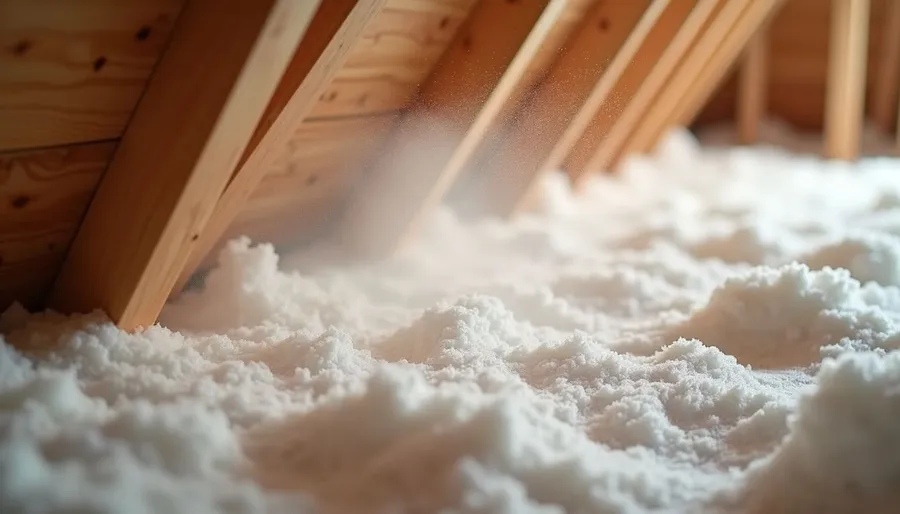
Eye-level view of attic insulation being installed between wooden beams
Top Energy-Saving Insulation Solutions for Your Attic
There are several insulation methods to choose from, each with its own benefits. Here’s a breakdown of the most popular and effective options:
1. Blown-In Insulation
Blown-in insulation is like a fluffy cloud of tiny fibers or granules that fill every nook and cranny of your attic. It’s usually made from fiberglass, cellulose, or mineral wool. This method is great for covering irregular spaces and adding insulation over existing layers.
Why choose blown-in insulation?
- It fills gaps and hard-to-reach areas.
- Quick to install.
- Good for retrofitting older homes.
- Provides excellent thermal performance.
2. Spray Foam Insulation
Spray foam insulation is a liquid that expands into a thick foam when applied. It seals cracks and gaps, creating an airtight barrier. This method is highly effective at preventing air leaks and adding R-value (a measure of insulation effectiveness).
Benefits of spray foam:
- Superior air sealing.
- High R-value per inch.
- Adds structural strength.
- Moisture resistant.
3. Batt Insulation
Batt insulation comes in pre-cut panels or rolls, usually made from fiberglass or mineral wool. It’s a classic choice for attics with standard spacing between joists.
Why batt insulation works well:
- Easy to install for DIYers.
- Affordable.
- Available in various thicknesses.
- Fire resistant options available.
4. Radiant Barrier
Radiant barriers are reflective materials installed on the underside of the roof. They reflect radiant heat away from the attic, keeping it cooler in hot climates.
Radiant barrier advantages:
- Reduces cooling costs in summer.
- Works well in sunny, warm areas.
- Can be combined with other insulation types.
5. Rigid Foam Board Insulation
Rigid foam boards are dense panels that provide high insulation value. They’re often used to insulate attic hatches or flat surfaces.
Rigid foam board perks:
- High R-value.
- Moisture resistant.
- Durable and long-lasting.
Choosing the right insulation depends on your attic’s condition, your budget, and your climate. Sometimes, combining methods gives the best results.
Spray foam insulation expanding in attic
What Insulation Qualifies for Energy Tax Credit?
One of the best parts about upgrading your attic insulation is that you might qualify for energy tax credits. These credits help offset the cost of your insulation project, making it more affordable.
Here’s what you need to know:
- Eligible materials: Insulation materials like fiberglass, cellulose, spray foam, and rigid foam boards often qualify.
- Minimum R-value: The insulation must meet or exceed certain R-value requirements set by the IRS.
- Installation: The insulation must be installed in your primary residence.
- Documentation: Keep receipts and manufacturer’s certification statements to claim the credit.
For example, if you install blown-in fiberglass insulation with an R-value of 38 or higher, you could qualify for a tax credit. Spray foam insulation also qualifies if it meets the minimum R-value requirements.
Before starting your project, check the latest IRS guidelines or consult a tax professional to ensure your insulation upgrade qualifies for the credit. This way, you can enjoy savings both on your energy bills and your taxes.
How to Choose the Best Insulation for Your Attic
Picking the right insulation can feel overwhelming, but it doesn’t have to be. Here are some tips to help you decide:
- Assess your current insulation: Check the thickness and condition of your existing insulation. If it’s old or damaged, it’s time for an upgrade.
- Consider your climate: In Sarasota’s warm climate, radiant barriers and spray foam can be especially effective.
- Think about air sealing: Insulation works best when combined with proper air sealing to prevent drafts.
- Budget: Some insulation types cost more upfront but save more energy long-term.
- DIY or professional: Some methods like batt insulation are DIY-friendly, while spray foam usually requires a pro.
Remember, the goal is to create a comfortable home that uses less energy. Sometimes, a combination of insulation types gives you the best bang for your buck.
Tips for Maintaining Your Attic Insulation
Once you’ve upgraded your attic insulation, keeping it in good shape is key to long-term savings. Here are some simple maintenance tips:
- Check for moisture: Moisture can damage insulation and reduce its effectiveness. Look for leaks or damp spots.
- Keep vents clear: Proper attic ventilation prevents moisture buildup and keeps insulation dry.
- Avoid compressing insulation: Don’t store heavy items on top of insulation as it reduces its ability to trap air.
- Inspect annually: A quick yearly check can catch problems early.
- Seal air leaks: Use caulk or foam to seal gaps around pipes, vents, and wiring.
By taking care of your insulation, you ensure your home stays energy-efficient year-round.
Ready to Upgrade Your Attic Insulation?
Upgrading your attic insulation is one of the smartest investments you can make for your home. It’s like giving your house a cozy blanket that keeps you comfortable and your energy bills low. Whether you choose blown-in insulation, spray foam, or a radiant barrier, the key is to pick the right solution for your home’s needs.
If you want to learn more about energy efficient attic insulation and how it can transform your home, don’t hesitate to reach out to local experts. They can help you find the perfect insulation method and make the installation process smooth and hassle-free.
Remember, a well-insulated attic is not just about comfort - it’s about smart savings and a greener future. So why wait? Start your attic insulation upgrade today and enjoy a cozier, more energy-efficient home tomorrow!