When it comes to making your home more comfortable and cutting down on energy bills, upgrading your attic insulation is one of the smartest moves you can make. I’ve learned that choosing the right insulation isn’t just about picking the cheapest or easiest option. It’s about finding the best fit for your home’s needs, climate, and budget. In Sarasota and nearby areas, where the weather can swing from hot and humid to cooler months, having the right attic insulation can make a huge difference.
Let’s dive into the world of attic insulation and explore some efficient attic insulation options that can help you save money and keep your home cozy year-round.
Exploring Efficient Attic Insulation Options
There are several types of attic insulation to consider, each with its own strengths and ideal uses. Here’s a quick overview of the most popular options:
- Fiberglass Batts: These are the classic pink or yellow rolls you often see. They’re affordable and easy to install, especially if your attic has standard joist spacing. Fiberglass batts work well for blocking heat transfer but can lose effectiveness if not installed properly or if they get compressed.
- Blown-In Cellulose: Made from recycled paper treated for fire resistance, cellulose is blown into the attic space, filling gaps and covering irregular areas. It’s great for adding insulation to existing attics and provides excellent coverage.
- Spray Foam Insulation: This option expands to fill cracks and gaps, creating an airtight seal. It’s more expensive but offers superior insulation and air sealing, which can be a game-changer in hot climates like Sarasota’s.
- Rigid Foam Boards: These panels provide high insulation value and are often used in combination with other types. They’re moisture resistant and can add structural strength.
Each of these options has its place depending on your attic’s condition, your budget, and your energy-saving goals.
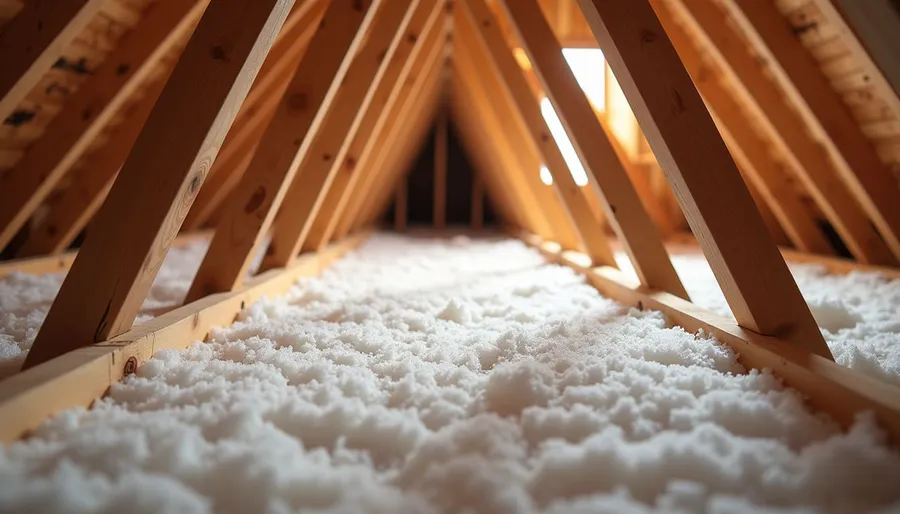
Eye-level view of attic space with fiberglass batt insulation installed between wooden joists
What Insulation Qualifies for Energy Tax Credit?
One of the perks of upgrading your attic insulation is the potential to qualify for energy tax credits. These credits can help offset the cost of your investment, making it more affordable to improve your home’s energy efficiency.
Generally, insulation materials that meet or exceed certain R-value requirements qualify for federal tax credits. The R-value measures how well insulation resists heat flow—the higher the number, the better the insulation. For attics, the Department of Energy recommends insulation with an R-value between R-38 and R-60, depending on your climate zone.
Materials like fiberglass batts, blown-in cellulose, and spray foam can qualify if they meet these standards. Be sure to keep your receipts and product labels, as you’ll need them when filing for the credit.
If you’re considering a project, it’s a good idea to check the latest IRS guidelines or consult with a professional to confirm eligibility. This way, you can maximize your savings while making your home more comfortable.
How to Choose the Right Insulation for Your Attic
Choosing the right insulation isn’t just about picking the highest R-value. Here are some factors to consider:
- Attic Accessibility: If your attic is hard to reach or has irregular spaces, blown-in cellulose or spray foam might be better choices because they fill gaps more easily.
- Budget: Fiberglass batts are usually the most budget-friendly, while spray foam tends to be pricier but offers better air sealing.
- Moisture Control: In humid areas like Sarasota, moisture can be a concern. Rigid foam boards and spray foam provide moisture resistance, helping prevent mold and mildew.
- Installation: DIY installation is possible with fiberglass batts and blown-in cellulose (with rental equipment), but spray foam usually requires a professional.
- Longevity and Maintenance: Some insulation types settle or degrade over time. Cellulose can settle, reducing its effectiveness, while spray foam tends to last longer without losing performance.
By weighing these factors, you can pick an insulation type that fits your home’s unique needs and your comfort goals.
Close-up view of spray foam insulation expanding in attic corner
Benefits of Upgrading to Energy Efficient Attic Insulation
Upgrading your attic insulation offers more than just lower energy bills. Here are some benefits I’ve noticed and heard from others who’ve made the switch:
- Lower Utility Bills: Proper insulation reduces the workload on your heating and cooling systems, saving you money every month.
- Improved Comfort: No more hot spots in summer or chilly drafts in winter. Your home feels more consistently comfortable.
- Environmental Impact: Using less energy means reducing your carbon footprint, which is a win for the planet.
- Increased Home Value: Energy-efficient upgrades can boost your home’s resale value and appeal.
- Noise Reduction: Insulation also helps dampen outside noise, making your home quieter.
If you want to make a smart investment that pays off in comfort and savings, upgrading your attic insulation is a great place to start.
Tips for Maintaining Your Attic Insulation
Once you’ve chosen and installed your insulation, keeping it in good shape is key to maintaining its performance. Here are some simple tips:
- Check for Moisture: Inspect your attic regularly for signs of leaks or moisture buildup. Address any roof or plumbing issues promptly.
- Avoid Compression: Don’t store heavy items on top of insulation, as this can reduce its effectiveness.
- Seal Air Leaks: Before insulating, seal gaps around vents, chimneys, and wiring to prevent air leaks.
- Pest Control: Keep an eye out for signs of pests, which can damage insulation.
- Upgrade When Needed: Over time, insulation can settle or degrade. Consider adding more insulation if you notice drafts or higher energy bills.
By staying on top of these maintenance tasks, you’ll ensure your insulation continues to work hard for you.
Taking the Next Step Toward a More Comfortable Home
Choosing the right insulation is a big step toward a more energy-efficient and comfortable home. Whether you opt for fiberglass batts, blown-in cellulose, spray foam, or rigid foam boards, the key is to match the insulation to your attic’s needs and your budget.
If you want to learn more about energy efficient attic insulation, there are plenty of resources available to help you make an informed decision. Remember, a well-insulated attic is like a cozy blanket for your home, keeping the heat out in summer and the warmth in during cooler months.
By investing in the right insulation, you’re not just saving money—you’re creating a healthier, more comfortable living space for years to come. So why wait? Start exploring your options today and enjoy the benefits of a well-insulated attic.
I hope this guide helps you feel confident about choosing the best insulation for your attic. If you have questions or want personalized advice, don’t hesitate to reach out to local experts who understand the unique climate and needs of homes in Sarasota and the surrounding areas. Your home deserves the best, and so do you!