_edited.png)
Choosing Efficient Attic Insulation: A Smart Move for Your Home
- Julian Ford
- Feb 23
- 4 min read
When it comes to making your home more comfortable and cutting down on energy bills, one of the smartest upgrades you can make is improving your attic insulation. I’ve been through the process myself, and I can tell you it’s a game-changer. The attic is like the roof’s secret weapon against heat loss in winter and heat gain in summer. If it’s not properly insulated, your HVAC system works overtime, and your wallet feels the pinch.
Let’s dive into how you can choose the right insulation for your attic, focusing on efficiency, cost, and long-term benefits. I’ll walk you through the options, what to expect, and how to make the best choice for your home.
Why Efficient Attic Insulation Matters
Think of your attic insulation as a cozy blanket for your home. Without it, warm air escapes in the winter, and hot air sneaks in during the summer. This makes your heating and cooling systems work harder, which means higher energy bills and more wear and tear on your equipment.
Efficient attic insulation helps maintain a steady indoor temperature. It keeps your home warmer in the winter and cooler in the summer. This not only saves money but also reduces your carbon footprint. Plus, a well-insulated attic can improve your home’s overall comfort by eliminating drafts and cold spots.
In Sarasota’s warm climate, keeping the heat out during summer is just as important as keeping warmth in during the cooler months. Choosing the right insulation can make a noticeable difference in your home’s energy efficiency and comfort.

Types of Efficient Attic Insulation to Consider
There are several types of insulation materials to choose from, each with its own pros and cons. Here’s a quick rundown of the most popular options:
1. Fiberglass Batt Insulation
This is the classic pink or yellow insulation you often see in homes. It’s made of fine glass fibers and comes in rolls or pre-cut panels. It’s affordable and easy to install, especially if your attic has standard joist spacing.
Pros:
Cost-effective
Easy DIY installation
Fire-resistant
Cons:
Can leave gaps if not installed carefully
Loses effectiveness if compressed or wet
2. Blown-In Cellulose Insulation
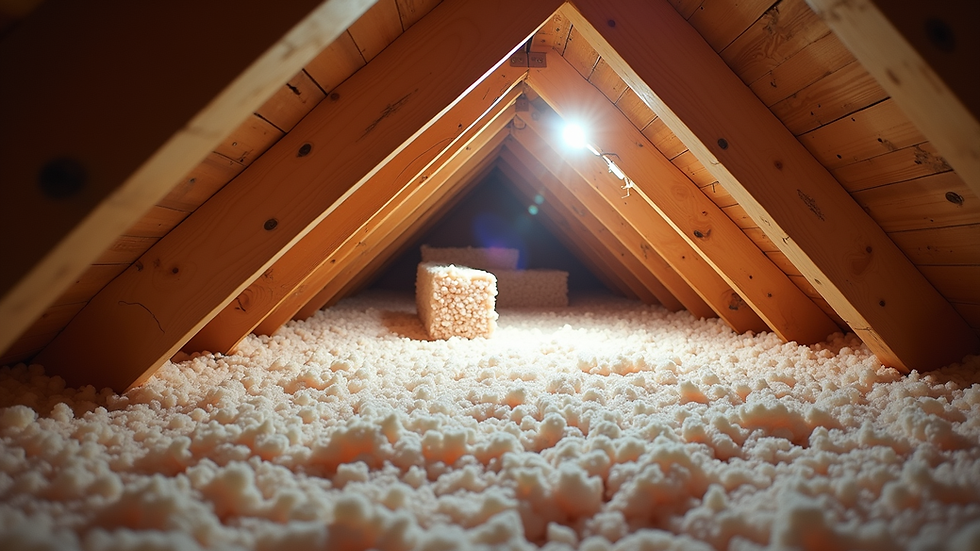
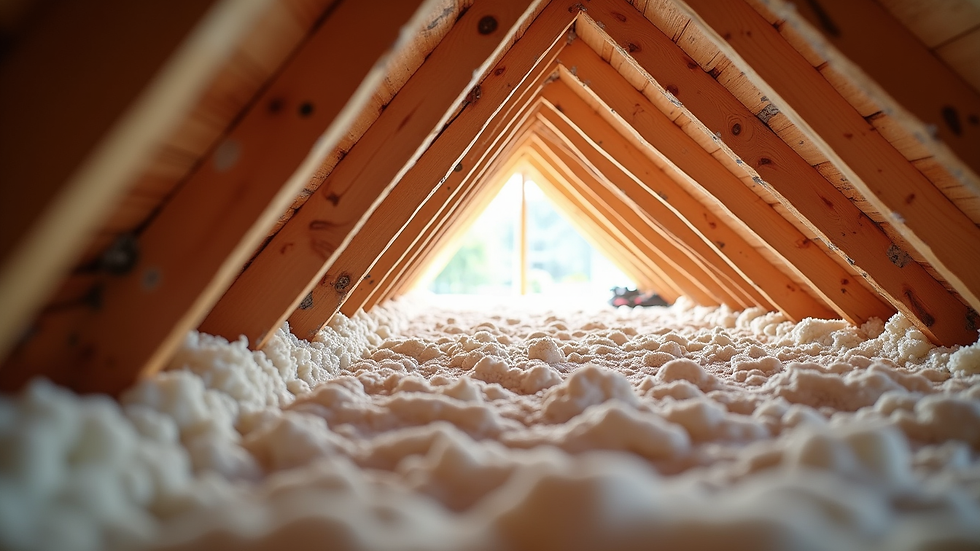
Made from recycled paper treated with fire retardants, cellulose is blown into the attic using special equipment. It fills gaps and hard-to-reach areas better than batt insulation.
Pros:
Great for irregular spaces
Environmentally friendly
Good air sealing properties
Cons:
Can settle over time, reducing effectiveness
Requires professional installation
3. Spray Foam Insulation
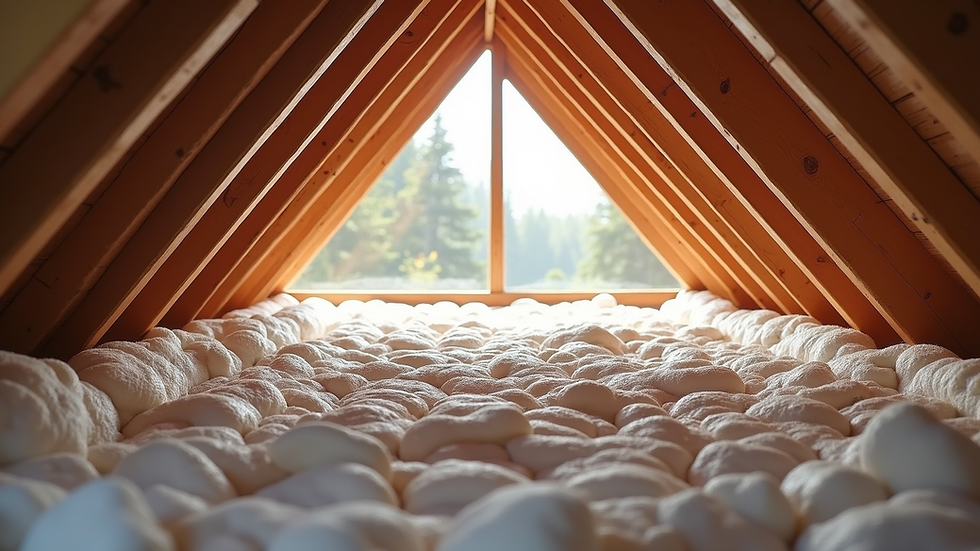
Spray foam expands on contact, sealing cracks and gaps while providing excellent insulation. It’s one of the most effective options but also the priciest.
Pros:
Superior air sealing
High R-value per inch
Adds structural strength
Cons:
Expensive
Requires professional installation
Can be tricky to remove or replace
4. Radiant Barrier
This is a reflective material installed on the underside of the roof to reflect heat away from the attic. It’s often used in hot climates like Sarasota to reduce cooling costs.
Pros:
Reduces radiant heat gain
Works well with other insulation types
Easy to install
Cons:
Doesn’t provide insulation by itself
Effectiveness depends on attic ventilation
Choosing the right insulation depends on your attic’s condition, your budget, and your energy goals. Sometimes, a combination of these materials works best.
How much does it cost to insulate a 2000 sq ft attic?
Budget is always a big factor when upgrading your attic insulation. For a 2000 square foot attic, here’s a rough estimate of what you might expect to pay:
Fiberglass Batt Insulation: $1,000 to $2,000
Blown-In Cellulose Insulation: $1,500 to $3,000
Spray Foam Insulation: $3,000 to $6,000
Radiant Barrier Installation: $1,000 to $2,000
Keep in mind these prices can vary based on labor costs, attic accessibility, and local market rates. While spray foam is the most expensive upfront, its superior performance can lead to bigger savings on energy bills over time.
If you’re looking for a budget-friendly option, fiberglass or cellulose are solid choices. For the best long-term investment, spray foam or a radiant barrier combined with other insulation might be worth the extra cost.

Tips for Choosing the Best Insulation for Your Attic
Here are some practical tips to help you make the best decision:
Check Your Current Insulation: Before adding new insulation, see what you already have. If it’s old or damaged, removing it might be necessary.
Consider R-Value: This measures insulation’s resistance to heat flow. The higher the R-value, the better the insulation. For Sarasota, aim for an R-value between 30 and 60 in your attic.
Think About Air Sealing: Insulation works best when combined with proper air sealing. Look for gaps around vents, chimneys, and wiring.
Hire a Professional for Complex Jobs: If your attic has tricky spaces or you want spray foam, professional installation ensures the job is done right.
Look for Local Rebates: Sarasota and Florida often have energy efficiency programs that can help offset costs.
Don’t Forget Ventilation: Proper attic ventilation prevents moisture buildup and keeps insulation effective.
Why I Recommend Upgrading Your Attic Insulation Now
Upgrading your attic insulation is one of those home improvements that pays off quickly. I noticed a significant drop in my energy bills after insulating my attic properly. Plus, my home felt more comfortable year-round.
With rising energy costs and Sarasota’s hot summers, investing in energy efficient attic insulation is a smart way to protect your home and your budget. It’s not just about saving money; it’s about creating a healthier, more comfortable living space.
If you’re thinking about making this upgrade, don’t wait. The sooner you improve your attic insulation, the sooner you’ll enjoy the benefits.
Taking the Next Step Toward a More Comfortable Home
Choosing the right attic insulation might seem overwhelming at first, but breaking it down into manageable steps makes it easier. Start by assessing your current insulation, then explore your options based on your budget and goals.
Remember, the goal is to create a barrier that keeps your home cozy in winter and cool in summer. Whether you go with fiberglass, cellulose, spray foam, or a radiant barrier, the key is proper installation and maintenance.
If you want expert advice tailored to Sarasota homes, consider reaching out to local professionals who understand the climate and building styles here. They can help you choose the best solution and ensure it’s installed correctly.
Your attic is a hidden hero in your home’s energy story. Treat it well, and it will reward you with comfort and savings for years to come.
Comments