
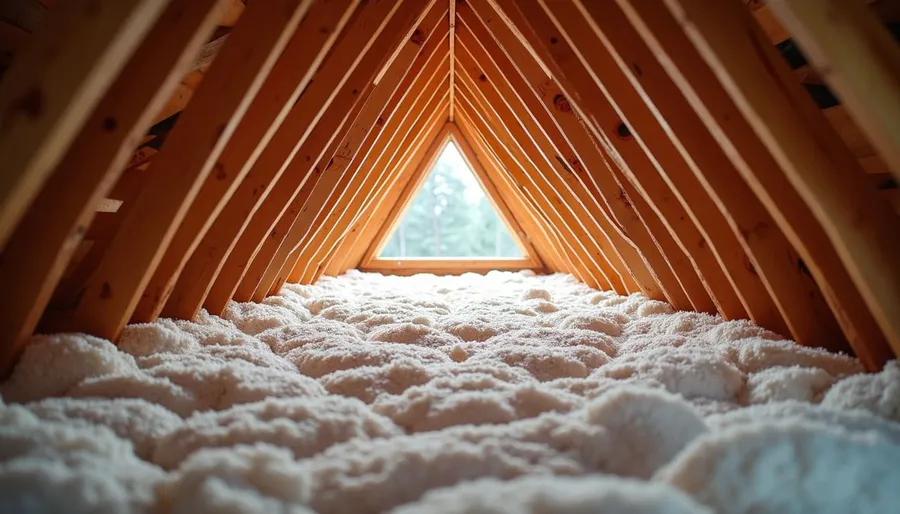
Upgrading your attic insulation is one of the smartest moves you can make to boost your home’s energy efficiency. But before you dive in, understanding the costs involved is key. I’ve been through the process myself and learned that getting an accurate attic insulation cost estimate can save you from surprises and help you plan your budget wisely. Let’s break down everything you need to know about attic insulation costs, so you can make confident decisions for your home.
Understanding the Basics of Calculating Attic Insulation Costs
When it comes to calculating attic insulation costs, several factors come into play. It’s not just about the price per square foot; the type of insulation, the size of your attic, and the condition of your current insulation all matter.
Here’s what you should consider:
- Type of insulation: Fiberglass, cellulose, spray foam, and rigid foam board all have different price points and benefits.
- Attic size: Larger attics require more material and labor, naturally increasing the cost.
- Current insulation condition: If your attic already has insulation, you might need to remove or add to it, which affects the price.
- Labor costs: Professional installation varies by region and company.
- Additional work: Sealing air leaks or repairing damaged areas can add to the total.
For example, fiberglass batt insulation might cost around $0.50 to $1.50 per square foot, while spray foam can range from $1.00 to $3.00 or more per square foot. Knowing these ranges helps you set realistic expectations.
Eye-level view of attic space with insulation materials laid out
What Time of Year Is Insulation Cheapest?
Timing your insulation project can make a noticeable difference in cost. Typically, the off-season for insulation work is late fall and winter. During these months, contractors often have fewer jobs, so they might offer discounts or more flexible scheduling.
Here’s why timing matters:
- Demand drops in colder months: Fewer homeowners tackle insulation projects when it’s cold, so prices can dip.
- Promotions and deals: Some companies run seasonal specials to keep business steady.
- Faster scheduling: You might get your project done sooner without the summer rush.
If you’re not in a hurry, planning your attic insulation upgrade during these slower months can save you money and hassle.
Breaking Down the Cost Components
To get a clear picture of your attic insulation cost, it helps to understand the main components:
1. Materials
The type of insulation you choose affects both upfront costs and long-term savings. Here’s a quick look at common options:
- Fiberglass batts: Affordable and easy to install, but less effective in sealing air leaks.
- Blown-in cellulose: Made from recycled paper, it’s eco-friendly and fills gaps well.
- Spray foam: Offers excellent air sealing and insulation but comes at a higher price.
- Rigid foam boards: Great for specific areas needing extra insulation.
2. Labor
Professional installation ensures your insulation performs well. Labor costs depend on:
- Attic accessibility: Tight or tricky spaces take longer to work in.
- Removal of old insulation: If your attic has old or damaged insulation, removing it adds time and cost.
- Air sealing and prep work: Sealing cracks and gaps before insulating improves efficiency but adds to labor.
3. Additional Costs
Don’t forget to budget for extras like:
- Ventilation improvements: Proper airflow prevents moisture buildup.
- Permits or inspections: Some areas require permits for insulation work.
- Cleanup and disposal: Removing old insulation safely is important.
By breaking down these costs, you can better understand where your money goes and avoid unexpected expenses.
How to Get an Accurate Attic Insulation Cost Estimate
Getting a reliable estimate is easier when you know what to ask and look for. Here’s my step-by-step approach:
- Measure your attic: Calculate the square footage to understand how much material you’ll need.
- Assess current insulation: Note the type and depth of existing insulation.
- Research insulation types: Decide which material fits your budget and goals.
- Request multiple quotes: Contact local contractors for detailed estimates.
- Ask about included services: Make sure air sealing, removal, and cleanup are part of the quote.
If you want a quick reference, here’s a helpful attic insulation cost estimate tool that can guide you based on your specific details.
Close-up view of insulation being installed in an attic
Tips to Save Money Without Sacrificing Quality
Upgrading your attic insulation doesn’t have to break the bank. Here are some practical tips I’ve found useful:
- Do a partial DIY: You can handle prep work like cleaning and minor air sealing yourself.
- Bundle projects: Combine insulation with other energy upgrades for potential discounts.
- Look for rebates: Check local utility companies for energy efficiency incentives.
- Choose the right insulation: Sometimes mid-range options offer the best balance of cost and performance.
- Get multiple bids: Don’t settle for the first estimate; comparing helps you find the best value.
Remember, investing in good insulation pays off over time with lower energy bills and a more comfortable home.
What to Expect After Installation
Once your attic insulation is installed, you’ll likely notice a difference quickly. Here’s what to expect:
- Lower energy bills: Your heating and cooling systems won’t have to work as hard.
- Improved comfort: Rooms stay warmer in winter and cooler in summer.
- Reduced noise: Insulation also dampens outside sounds.
- Increased home value: Energy-efficient upgrades appeal to future buyers.
Keep an eye on your attic periodically to ensure insulation stays in good shape and vents remain clear.
Making the Most of Your Investment
Upgrading attic insulation is a smart step toward a more energy-efficient home. By understanding how to calculate costs, timing your project, and choosing the right materials, you can make the most of your investment. If you’re ready to take the next step, start by gathering your measurements and reaching out to trusted local professionals.
Your home will thank you with lower bills and a cozier atmosphere all year round. Here’s to a warmer, more efficient living space!