
When it comes to making your home a cozy and healthy place, air quality often flies under the radar. Yet, the air you breathe indoors can have a huge impact on your comfort and well-being. I’ve learned that improving your home’s air quality is not just about freshening up the space—it’s about creating a healthier environment for you and your family. Whether you’re dealing with allergies, dust, or just want to breathe easier, there are simple steps you can take to make a big difference.
Better Home Air Quality Tips You Can Start Today
Improving your home’s air quality doesn’t have to be complicated or expensive. Think of it like tuning up your car—small adjustments can lead to smoother rides and better performance. Here are some practical tips that have worked well for me and many others:
- Ventilate regularly: Open windows and doors when weather permits. Fresh air helps flush out stale indoor air and reduces pollutants.
- Use exhaust fans: In kitchens and bathrooms, exhaust fans remove moisture and odors that can contribute to mold and mildew.
- Keep humidity in check: Aim for indoor humidity levels between 30% and 50%. Too much moisture encourages mold growth, while too little can irritate your respiratory system.
- Clean or replace HVAC filters: Dirty filters trap dust and allergens, reducing air quality. Change them every 1-3 months depending on usage.
- Add houseplants: Certain plants like spider plants and peace lilies can naturally filter toxins from the air.
- Avoid smoking indoors: Tobacco smoke is a major indoor pollutant and can linger for hours.
- Limit use of harsh chemicals: Choose natural cleaning products or those labeled low-VOC (volatile organic compounds).
By incorporating these habits, you’ll notice your home feels fresher and more inviting. Plus, these steps can help reduce energy costs by improving your HVAC system’s efficiency.
Eye-level view of a living room with open windows and sunlight streaming in
Can Poor Air Quality Cause Nasal Congestion?
If you’ve ever woken up with a stuffy nose or found yourself sneezing more at home, poor indoor air quality might be the culprit. Pollutants like dust mites, pet dander, mold spores, and chemical irritants can inflame your nasal passages. This inflammation often leads to congestion, sneezing, and other allergy-like symptoms.
Indoor air pollution can also worsen asthma and other respiratory conditions. For example, mold growing in damp areas releases spores that irritate the lungs. Dust and pet dander are common triggers for allergic reactions. Even everyday household products like air fresheners and cleaning sprays can emit VOCs that cause nasal irritation.
The good news is that by improving your home’s air quality, you can reduce these symptoms significantly. Regular cleaning, controlling humidity, and using air purifiers are effective ways to keep nasal congestion at bay.
How Insulation Plays a Role in Air Quality
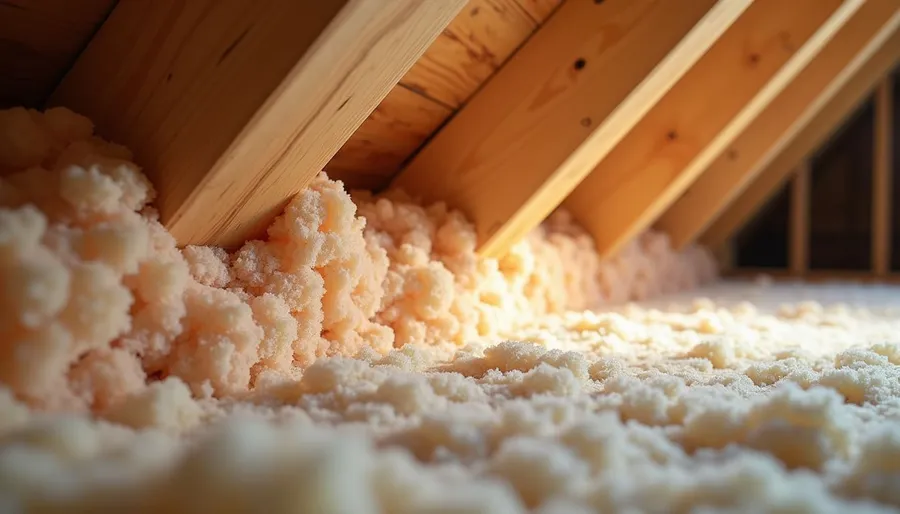
You might not immediately connect insulation with air quality, but it plays a crucial role. Proper insulation helps maintain consistent indoor temperatures and reduces drafts. This means your HVAC system doesn’t have to work as hard, which can lower the circulation of dust and allergens.
In Sarasota’s warm climate, upgrading attic insulation can also prevent moisture buildup. Moisture is a breeding ground for mold, which negatively impacts air quality. By sealing gaps and adding insulation, you create a barrier that keeps your home dry and comfortable.
Plus, better insulation means your home stays cooler in summer and warmer in winter, saving you money on energy bills. It’s a win-win for comfort, health, and your wallet.
Attic insulation installation improving home energy efficiency and air quality
Simple Upgrades That Make a Big Difference
Sometimes, small changes can have a surprisingly big impact on your home’s air quality. Here are a few upgrades I recommend:
- Install a whole-house air purifier: These systems filter out dust, pollen, and other pollutants from the air circulating through your HVAC system.
- Switch to HEPA vacuum cleaners: HEPA filters trap tiny particles that regular vacuums might miss.
- Seal cracks and gaps: Use weatherstripping or caulk to close leaks around windows and doors. This prevents outdoor pollutants from sneaking inside.
- Use washable curtains and bedding: Fabrics can trap dust and allergens. Washing them regularly keeps these under control.
- Consider a dehumidifier: If your home feels damp, a dehumidifier can help maintain ideal humidity levels and prevent mold growth.
These upgrades are practical and often pay for themselves by improving your home’s comfort and reducing health risks.
Taking the Next Step for a Healthier Home
If you’re ready to take your home’s air quality to the next level, start by assessing your current situation. Look for signs like musty odors, visible mold, or frequent allergy symptoms. Then, implement the tips above and monitor the changes.
For those in Sarasota and nearby areas, focusing on attic insulation upgrades is a smart move. It not only improves air quality but also boosts energy efficiency, helping you save on utility bills. If you want to learn more about how to improve home air quality, there are plenty of resources and experts ready to help.
Remember, better air quality means better health and a more comfortable living space. It’s worth the effort to breathe easier every day.
By making these changes, you’re investing in your home’s future and your family’s well-being. Fresh, clean air is one of the simplest pleasures—and one of the most important.